
Why your upstairs stays hot in Kansas summers

Step 1 of 3: Equipment

Why does my upstairs stay so hot in the summer?

It's July, the downstairs feels fine, but the bedrooms upstairs sit ten degrees warmer no matter where the thermostat is set. You've checked the vents, maybe even closed a few downstairs to force more air up top, and it still doesn't cool off. You deal with small issues before they turn into big ones, so you want to know what's actually going on before you decide if this is something to live with or something to call about.

Your system isn't moving enough cold air to the second floor

Heat rises, so the upstairs always works harder than the downstairs, but one system cooling both levels usually can't keep up once it gets hot and sticky outside. The ducts feeding the upstairs may be too small, too long, or losing air before it reaches the vents. A single thermostat downstairs also means the AC shuts off once the first floor hits temperature, even if the bedrooms above are still warm. In a Kansas summer, where the air conditioner runs for months without a break, that gap between floors tends to show up every afternoon and stay until evening. It's rarely one obvious cause, which is why it's worth having someone look at the ductwork and airflow directly.

An outdoor air conditioner condenser unit on a concrete pad beside a house with beige horizontal siding and a stone-veneer base, with refrigerant lines running to a gray wall-mounted electrical box, surrounded by dark mulch, a flowering shrub and an evergreen on the left.

Unit running as it should

If the condenser outside cycles on and off with the thermostat and the airflow at the upstairs vents feels steady and cool, the system itself is likely fine. Closed shrubs and clear space around the pad help it breathe. The heat upstairs is more likely a delivery problem than a broken machine.


An outdoor air conditioning condenser unit on a concrete pad beside a house with light vinyl siding, an electrical disconnect box and conduit on the wall, bare shrubs and mulch to the right, and a concrete walkway in the foreground.

Unit struggling to keep up

A condenser that runs nonstop on a hot afternoon, cycles too fast, or sits caked in dirt and bare ground around the pad is working harder than it should. That strain shows up first in the rooms farthest from it, usually upstairs, long before the downstairs feels any different.

Does this sound like your upstairs?

You climb the stairs and feel it before you reach the top. The bedrooms hold heat long after dark, even with the thermostat set the same as downstairs. The vents might blow air, but it's weak or barely cool by the time it reaches you. Maybe the AC runs almost nonstop through the afternoon and still can't catch up, or it shuts off and the upstairs climbs right back within the hour. Some rooms are worse than others, usually the ones farthest from the stairs or over the garage. Left alone through a Kansas summer, that imbalance means the system works harder for less comfort, and the parts carrying that extra load wear faster than they should.

A smiling man in a navy long-sleeve shirt sits at a wooden table in a kitchen and dining area, with a ceramic mug, a potted plant, and a sliding glass door behind him.
A smiling bearded man in a green henley shirt stands at a kitchen island with a gray mug, looking off to the side, with a dining area and shelves blurred behind him.
A smiling bearded man in a navy sweater sits at a white kitchen island with a ceramic mug, with open shelves, potted plants and a range hood behind him.
A smiling man in a dark olive long-sleeve shirt sits in a kitchen beside a counter with a dark mug, with a dining table, sideboard and hallway visible in the blurred background.

Cool air drops. Warm air rises. That alone puts your upstairs at a disadvantage before the system even kicks on, because the air coming out of the vents sinks toward the floor below and the heat upstairs has nowhere to go but stay put. The thermostat downstairs doesn't know any of this is happening. It reads its own room, decides the house is cool enough, and shuts the system off while the bedrooms above are still catching up. Ductwork running through the attic makes it worse. Air that starts cold at the unit can pick up heat on its way through that hot space, so what comes out the vent upstairs is already warmer than what left the coil. If there's no return vent up there pulling air back out, that heat just sits. And the upstairs usually has more roof and window exposed to the sun than downstairs does, so it's fighting a bigger heat load with the same amount of air. None of this means the equipment is broken. It means the air isn't getting split the way the house actually needs it.

Why Upstairs Runs Behind Downstairs

  • Cool air is heavier than warm air, so what the system pushes out tends to settle downstairs first and leaves the upper floor shorted.
  • A single thermostat usually sits downstairs, so the system reads that room as satisfied and shuts off before the upstairs rooms catch up.
  • Attic ducts that run through hot attic space can gain heat before the air ever reaches an upstairs vent, especially by mid-afternoon.
  • A return vent upstairs pulls hot air back toward the unit, and if there isn't one, that heat just stays trapped on the second floor.
  • The same ton of cooling has to cover more exposed roof and window area upstairs, so it falls behind even when the equipment is working right.
  • A system sized for the house as a whole doesn't know to send more air up and less down, it just runs on one setting for both floors.
An outdoor air conditioner condenser unit on a concrete pad beside a house with light horizontal lap siding, with an electrical disconnect box and conduit on the wall behind it.
Before you get your air conditioner repair
An outdoor air conditioning condenser unit on a concrete pad beside a house with white horizontal lap siding, with an electrical disconnect box and insulated refrigerant line on the wall and a shrub over mulch to the right.
After you get your air conditioner repair
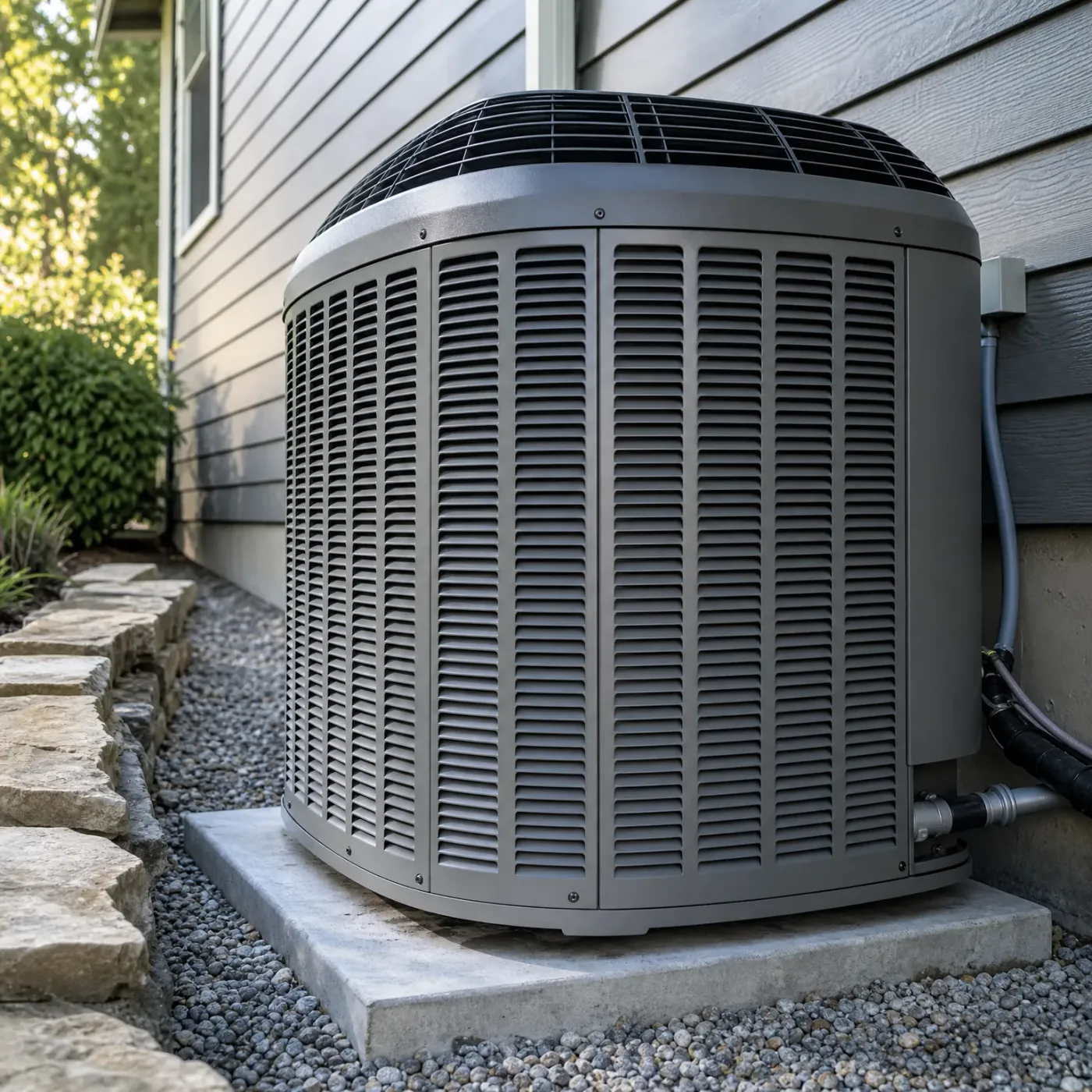
A gray outdoor air conditioning condenser unit with louvered sides and a black top grille sits on a concrete pad beside a house with horizontal lap siding, surrounded by gravel and a stone border.

Finding a pro stops being your job

Your request stays with one local pro.

Get the air conditioner repair search off your mind today.

Get a licensed local pro

No fee to send it, and nothing to sign.

A gray outdoor air conditioner condenser unit on a concrete pad beside a house with white horizontal siding and a brick foundation, with a wall-mounted disconnect box and conduit, and a green shrub with mulch at left.
A clean condenser cycling on and off with the thermostat, with the area around the pad kept clear, is pulling its full share of weight.
An outdoor air conditioning condenser unit on a concrete pad beside a house with white horizontal vinyl siding, with a gray electrical disconnect box and refrigerant lines on the wall behind it.
A grille and top caked with dirt makes the unit work harder to shed heat, and the upstairs is usually the first place that shortfall shows up.

Power costs 14.44 cents per kilowatt-hour statewide

At 14.44 cents per kilowatt-hour, every extra degree your upstairs unit has to fight shows up on the bill. A system already working against trapped heat upstairs draws more power to get there, so the ten-degree gap costs you something every month it goes unfixed.

EIA-861 2025 statewide residential average

What one return duct does

A lot of two-story homes run one return duct for the whole system, usually set low on the first floor. That return pulls air back to the furnace to get cooled again, but it's pulling mostly from downstairs. Upstairs air has nowhere close to go back through, so the system keeps recirculating the same cooler air below while the hot air upstairs just sits. Without a dedicated return up there, no amount of supply airflow fully makes up the difference. A contractor can check whether your layout has this setup.

Ductwork in a hot attic

If your upstairs supply ducts run through the attic, they're sitting in space that can run well past the temperature outside on a sunny July afternoon. Air leaving the furnace at a cool setpoint picks up heat on the way through that attic run before it ever reaches the vent. By the time it drops out of the ceiling register, it's lost some of its edge. Insulation around the ducts slows this, but gaps, thin spots, or disconnected joints let the attic heat in faster than the system can push cool air through.

A smiling man in a dark blue T-shirt sits on a light gray sofa in a living room with a wooden shelf and window behind him, with a laptop edge visible in the foreground.
A bearded man in a plaid flannel shirt stands indoors looking out a frost-covered window, with a steaming dark blue mug on the wooden sill and snow-covered trees outside.
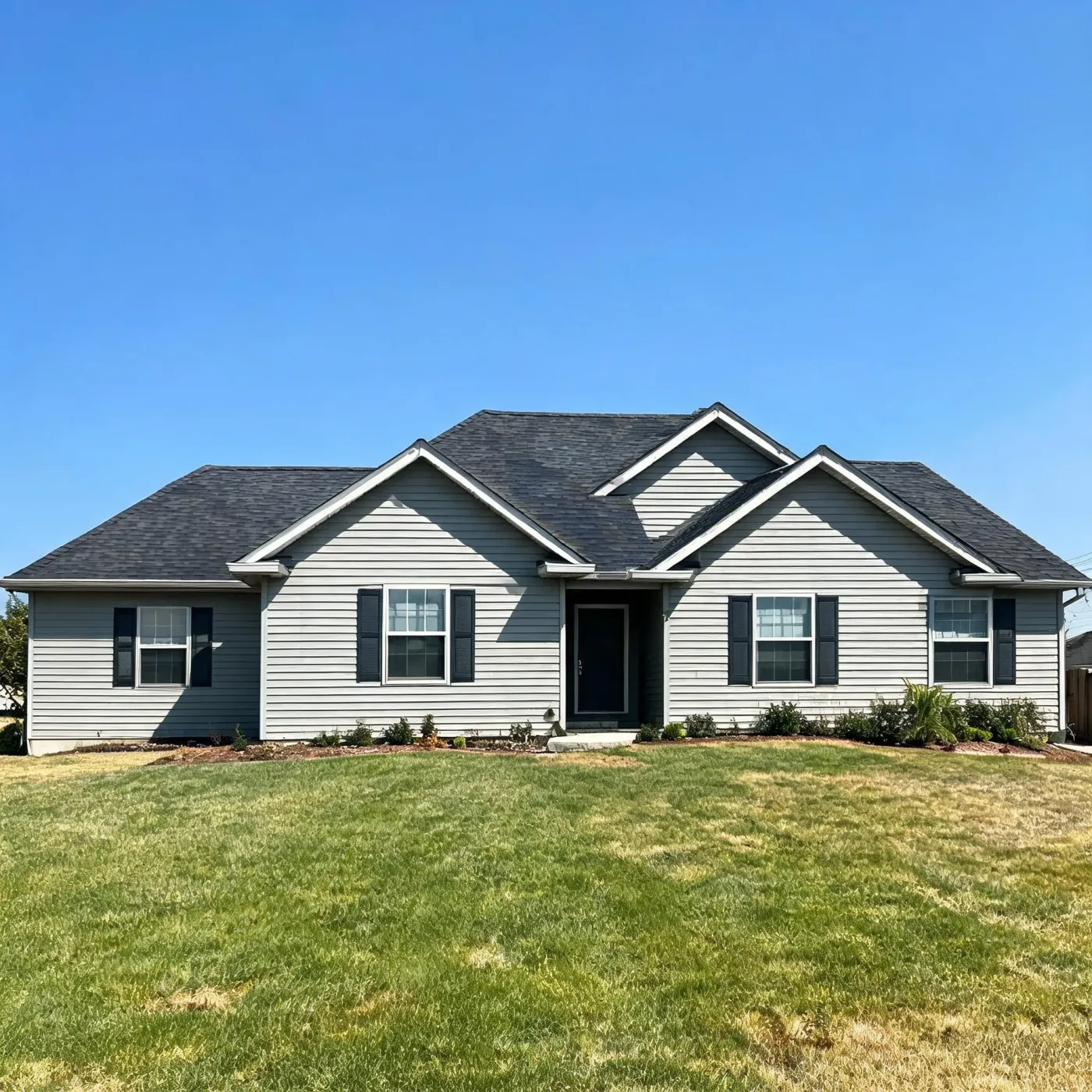
A single-story house with light gray horizontal siding, dark gray shingled gables, black shutters and a dark front door, fronted by a mulched bed of small shrubs and a large lawn under a clear blue sky.

Kansas summers run heavy. Average dew point across June, July and August sits at 64°F, measured over where homes in the state actually are. That's sticky air, the kind that makes 85 degrees feel worse than it sounds. Your air conditioner has to pull that moisture out before the house feels cool, not just drop the temperature. Upstairs, where heat already collects, the system is fighting both the warmth and the wet at once. That's why the air coming out of the vents up there can feel cool to the hand but still leave the room feeling thick. The unit is working the whole time, it's just losing ground to the moisture before it ever gets to the heat.

NASA POWER T2MDEW county cells weighted by homes

Fix the Gap or Live With It

Fix now

  • A duct crew or a contractor can add a damper so the upstairs run gets a fair share of airflow instead of losing it to the first floor.
  • A second thermostat or a zoning panel lets the upstairs call for cooling on its own instead of waiting for the downstairs unit to be satisfied first.
  • Sealing gaps where the attic meets the upstairs ceiling stops hot air from leaking down into the rooms you're trying to cool.
  • A technician can check the refrigerant charge and clean the condenser so the system isn't already working below its capacity before it even reaches the second floor.
  • Most of these fixes happen in a single visit, and the ten-degree gap closes as soon as the airflow and thermostat setup match how the house is actually laid out.

Wait it out

  • The upstairs keeps running ten degrees warmer every summer afternoon, and nothing about that changes on its own.
  • The system keeps shutting off once the downstairs thermostat reads satisfied, so the upstairs never gets its full cycle.
  • Dew points in the 60s all summer mean the unit keeps working against the same moisture load it's always fought, with no relief built in.
  • A return duct that only pulls from downstairs keeps starving the upstairs of the airflow it needs, cycle after cycle.
  • Every summer the gap stays, the system logs more run time trying to reach rooms it was never set up to cool evenly.
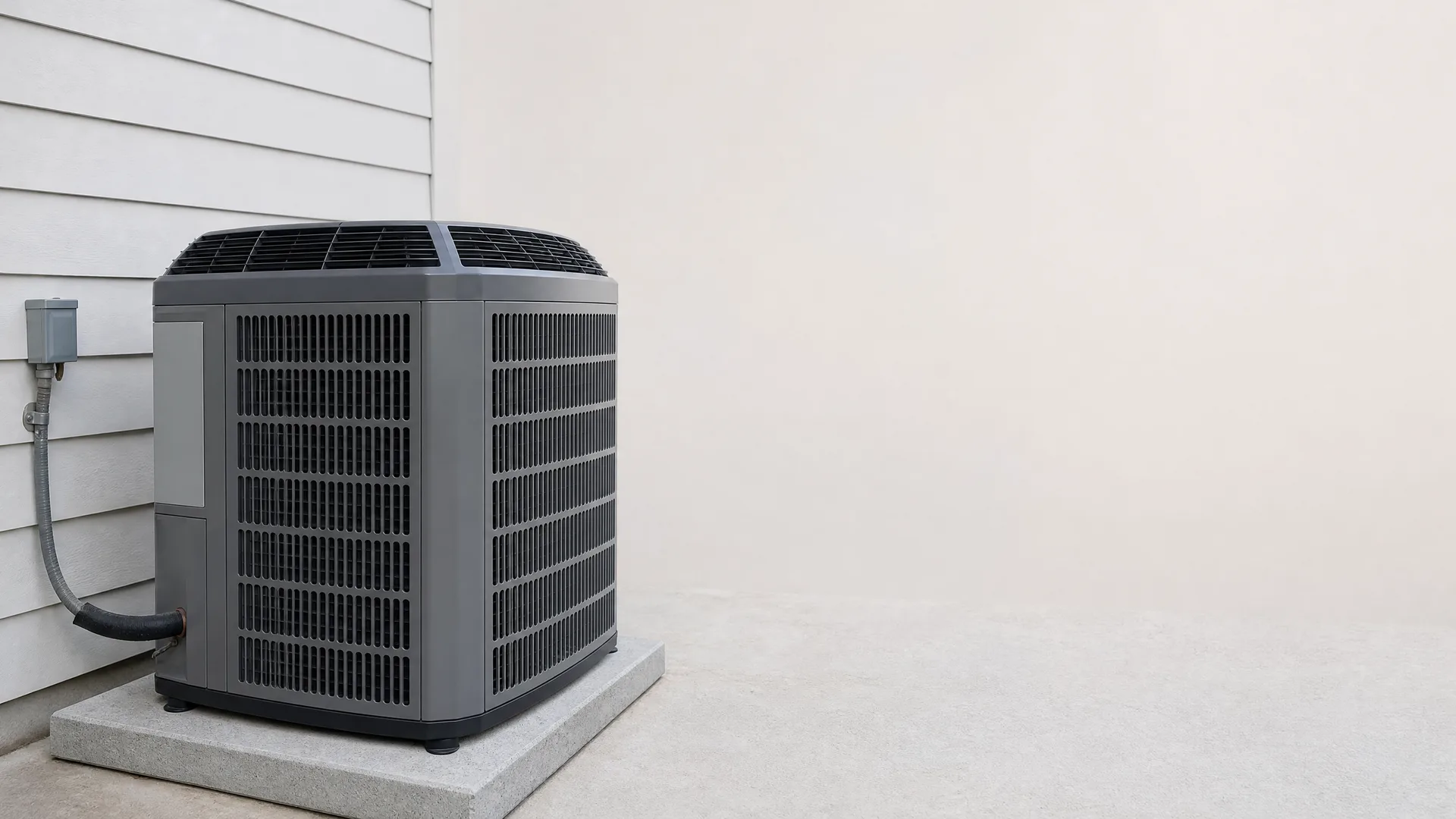
A gray outdoor air conditioner condenser unit on a concrete pad beside a house with horizontal siding, with an electrical disconnect box and conduit on the wall behind it.

Living with the gap

You keep a fan running upstairs all summer and shut the door to the hottest bedroom during the day. Maybe you've moved whoever sleeps up there to a cooler room, or you just accept that anyone sleeping upstairs needs a window unit by August. None of that fixes the system, it just works around what it won't do. And every one of those workarounds is a sign the airflow upstairs was never sized or balanced for what that floor actually needs.

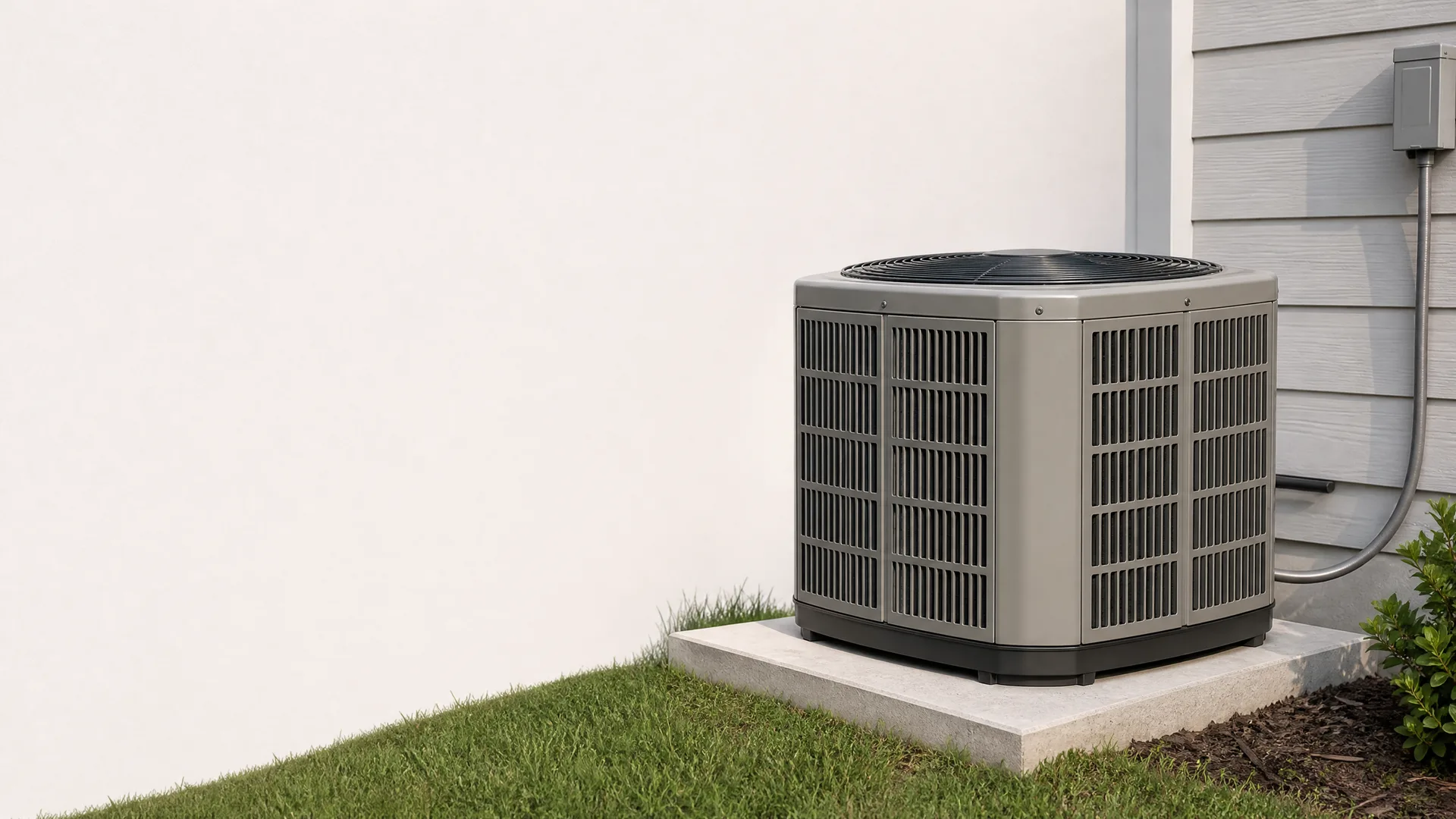
An outdoor air conditioner condenser unit on a concrete pad beside a house with horizontal lap siding, with a gray electrical disconnect box and conduit on the wall, grass in the foreground and a plain light wall at left.

Getting the floor fixed

A contractor checks the duct runs to the upstairs rooms, the return path, and whether the system is actually moving the air it's supposed to. Sometimes it's a damper that needs adjusting, sometimes a second thermostat so the upstairs isn't waiting on the downstairs to finish. Once that's sorted, the top of the stairs stops being the hottest spot in the house, and you stop budgeting around a room that was never going to cool on its own.

The gap between floors comes down to airflow and balance, not a dying system, and most of the time it's fixable without replacing anything. A damper here, a second thermostat there, or a return added upstairs can close a ten-degree gap that's been there for years. Someone who works on Kansas attics and ductwork all summer has seen this exact setup before and knows which fix matches which cause, whether that's a duct run that was never balanced right or a single return doing a job it can't finish. You'll get matched with one licensed local contractor, not a handful of companies competing for your callback, so the person who shows up already knows what questions to ask about your upstairs before they climb the ladder. The heat upstairs has a reason behind it. Once it's found, the fix is usually straightforward.

A dark metal gable-roofed building in the foreground overlooks a flat, snow-dusted landscape with bare trees and a few evergreens under a clear pale sky.

Let someone else find the pro

Hand it over

Sending the form costs nothing.

Another summer of climbing those stairs into a wall of heat wears on you more than the bill does. Send the request and a licensed local contractor who deals with this upstairs-downstairs gap every summer takes it from here, so you're not stuck chasing down who can fix it.