Still running fine
The pad is clean, the lines are tight, and the disconnect box is doing its job. A unit like this is cycling on and off all summer without drama, cooling the house in the time you'd expect. Nothing about it asks for attention yet.
 Let a pro reach out
Send the form and stop researching installers for the new air conditioner.
Most central air conditioners run twelve to fifteen years before they're done. In Wichita, where the unit kicks on in April and doesn't rest until well into October, that range tends to land on the shorter side. Seven months of work a year adds up faster than it does in places where summer is a quick, mild thing.
If your AC came with the house, the first question worth answering is how old it actually is. A unit from the 1990s or earlier, still limping through July on an R-22 charge, is a different situation than one installed ten years ago that just needs a part. Age plus a breakdown in the same summer usually means it's time to stop paying to keep it alive.
When a system does fail here, waiting isn't really an option. Sedgwick County summers don't ease off to let you shop around. Once you send the request, that search stops being something you have to manage. You're not getting handed to the first available name from a call center. You're matched with a licensed contractor working in Wichita, someone who installs and services this exact kind of equipment all summer long and knows what tends to go wrong in homes built here, in this heat, on this power grid.
It's one contractor, not five companies competing for your callback. That means no juggling quotes from strangers who don't know your address or your system. Just someone local, handling it, while you get back to the rest of your day.
You've had the same air conditioner for a while now, and with another long Wichita summer behind it, you're wondering how much life it has left and whether it's worth repairing the next time something goes wrong instead of replacing it outright.
A central air conditioner is built to run 12 to 15 years, but that number assumes the unit gets a break for part of the year. In Sedgwick County it doesn't get much of one. The system starts up in April and keeps running into October, so it logs more hours per year than the same unit would in a milder climate. That extra strain on the compressor and the coil tends to push Wichita units toward the lower end of that range rather than the upper end. If yours is past 12 years, a breakdown in the middle of summer is a real possibility, not just a worst case. Once a unit hits that age, a contractor weighing repair against replacement will factor in both the age and how the system has held up.

The compressor is the part doing the most work, and it's the part most likely to fail first. Every time your AC cycles on, that compressor has to start up against the outdoor heat, and in Wichita it's doing that from April into October. A unit in a milder climate might cycle half as often over a year. More starts and more run hours mean more wear on the same parts, which is why identical units often don't last the same number of years in different places.
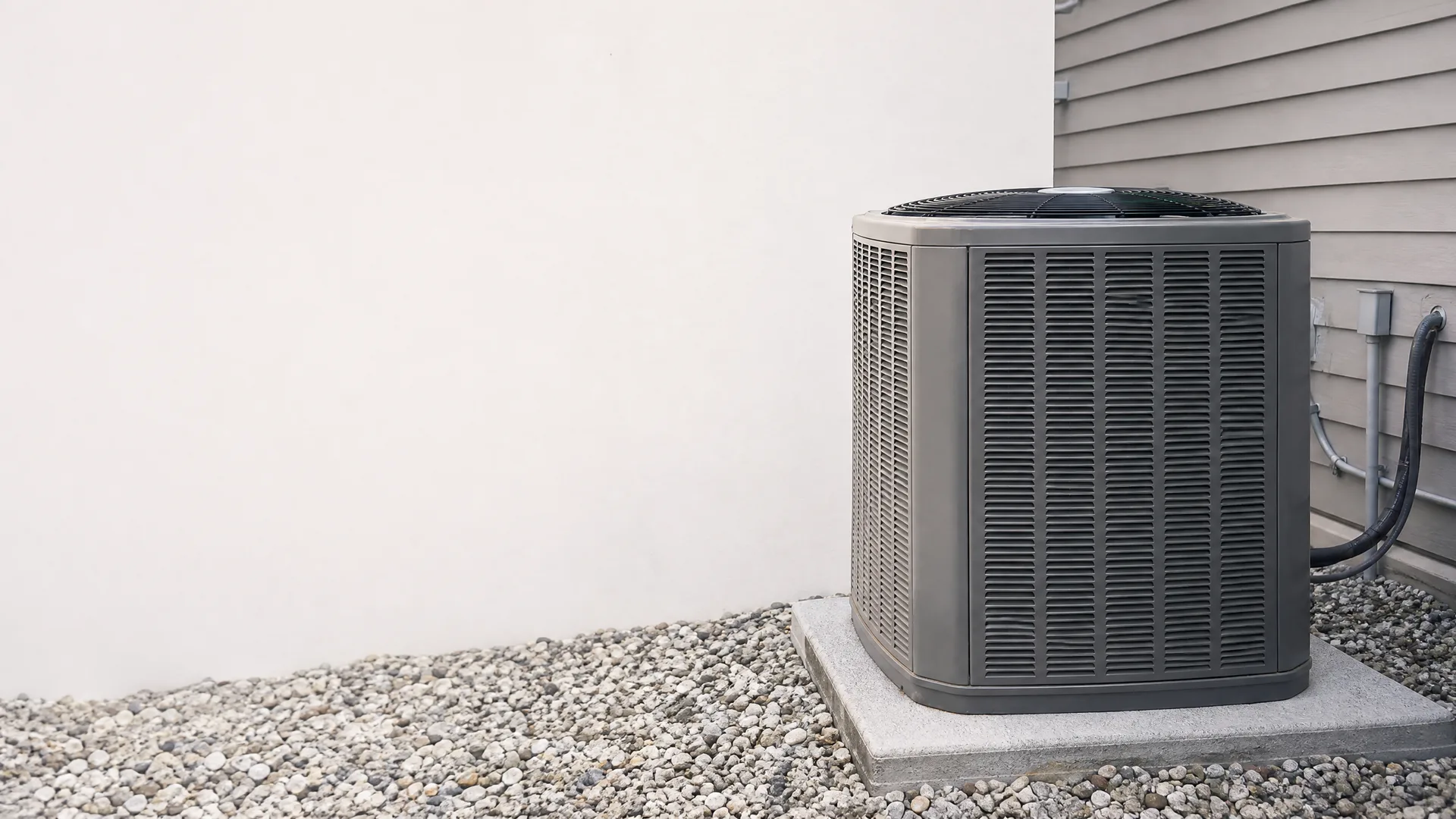
The outdoor coil has to shed heat into the air around it, and if it's caked with cottonwood fluff or mowed grass, it can't do that as well. The compressor then runs hotter and longer to hit the same temperature inside. Over one summer that might not matter much. Over a decade of Wichita summers, a coil that's rarely cleaned is working its compressor harder every single day it runs, which shortens the years you get before it quits for good.
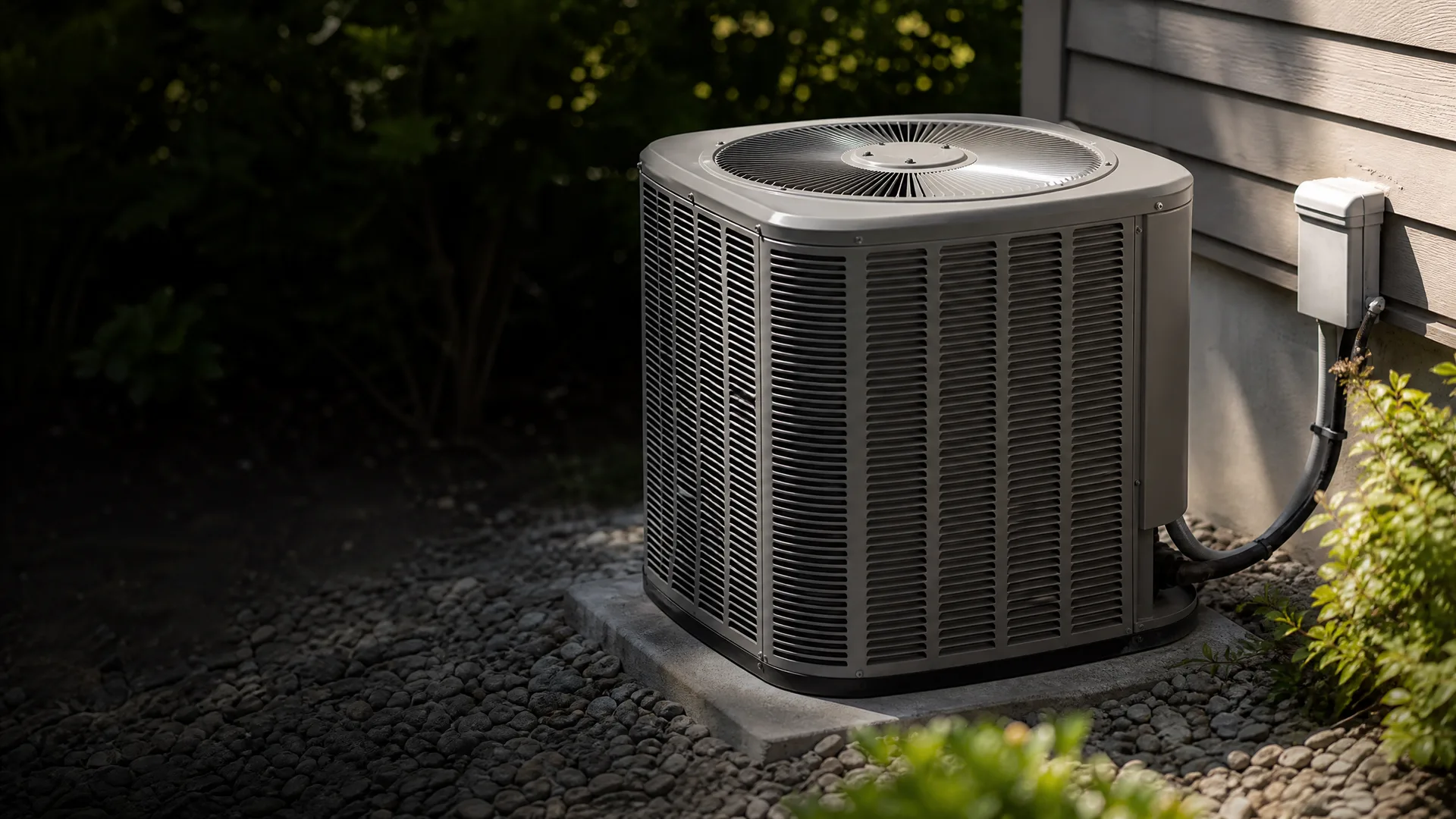
The pad is clean, the lines are tight, and the disconnect box is doing its job. A unit like this is cycling on and off all summer without drama, cooling the house in the time you'd expect. Nothing about it asks for attention yet.

Weeds growing up through the gravel, siding gone dull next to it, the cabinet weathered from years of Wichita heat. None of that stops it from running, but it's a sign the unit has been out there a long time. Worth a second look before next summer.




If your AC is past twelve years and still running on its original compressor, that compressor has been starting against Wichita heat every summer since it was new.
A compressor that old owes you nothing. When it finally quits, it usually does it on a hot afternoon, not a mild one.


A licensed installer who works in Sedgwick County gets your project.
Sending the form costs nothing.

The pad sits level and the conduit runs clean from the disconnect down to the unit. No rust streaking the cabinet, no oil spots on the concrete. A unit like this is getting through the Wichita summer without anyone noticing it.

Same setup, same wall, but look closer. A unit working this hard for this many summers starts showing it at the cabinet, the pad, the line set, long before it quits outright. That's the point to get it looked at, not after it stops.




The old unit and pad get disconnected and hauled off
A new pad goes down level and square
The condenser, line set and coil go in
The system gets charged, started and checked for proper cooling
Five months of cooling a year works out to about 150 days your compressor spends starting and stopping against the heat. That's the stretch your unit has to get through without trouble, year after year, before it can rest again come October.
NOAA nClimDiv 1991-2020

The box fan is running full speed and it isn't doing much. It's past eight and still near ninety outside, the kind of June heat that sits in a Wichita house long after sundown. You're upstairs, and this room always runs hotter than the rest. The air coming through the window screen is just more of the same warm air that's already in here. Downstairs you can hear the condenser cycle on, run a while, click off, like it's been doing since April. You lie on top of the sheets instead of under them. The fan pushes the hazy air around but it doesn't cool anything, it just gives you something to listen to.
You might notice the house taking longer to cool down after a hot afternoon, or the unit running almost nonstop once it gets into the eighties outside. Maybe you've heard a rattle or a hum that wasn't there last summer, or there's a patch of ice forming on a line that shouldn't have any. The thermostat says seventy-two but the upstairs rooms don't feel like it. None of that is unusual for a unit that's been through a dozen Wichita summers. What matters is whether it's happening more often than it used to. A compressor that's struggling and gets ignored tends to fail outright, usually on the hottest day it has to work.
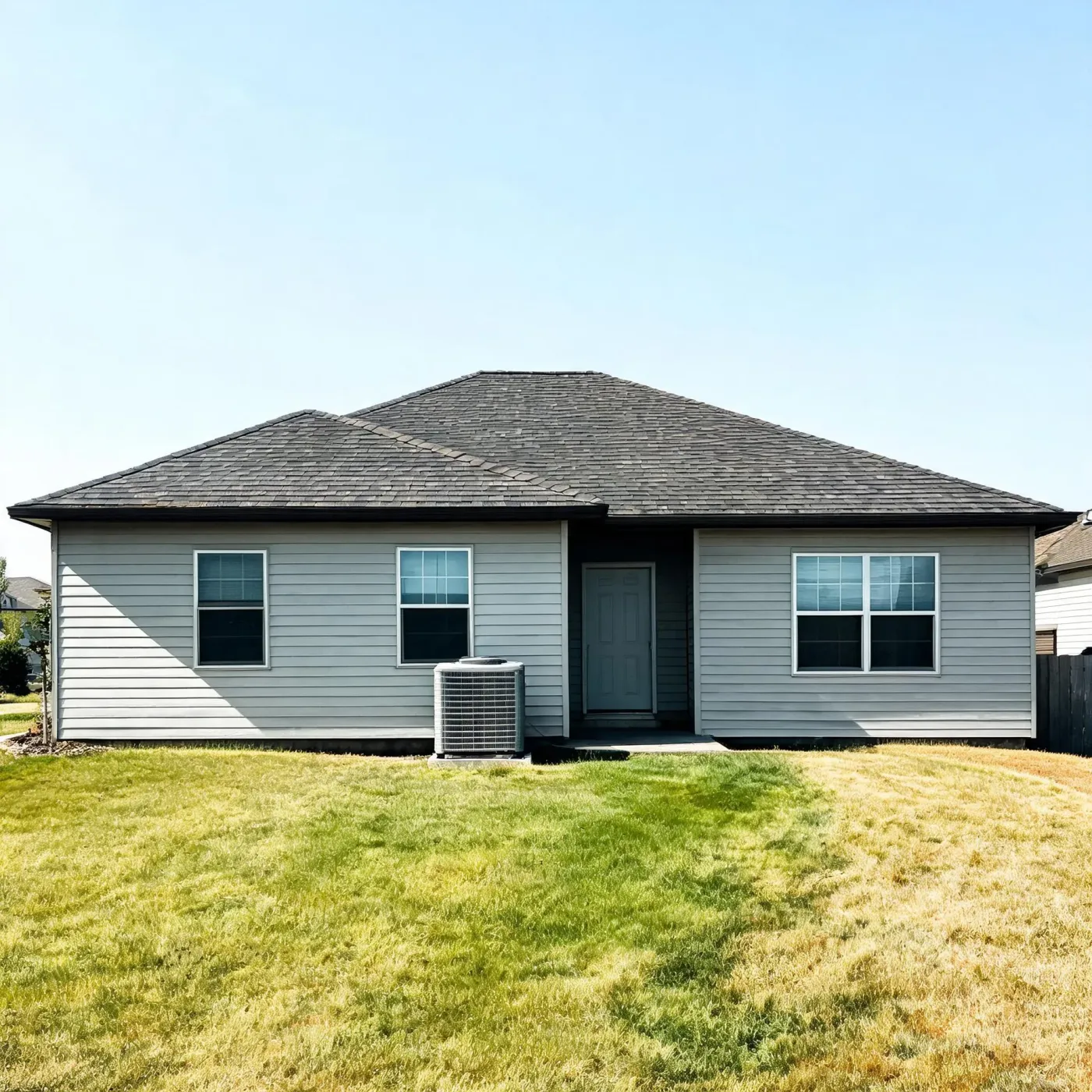
The weather service puts the summer dew point here at 65°F, averaged over June, July and August. That's sticky, heavy air, the kind that makes your AC do two jobs instead of one. It has to pull the heat out of the house, and it has to pull the moisture out too, and the moisture is the slower, harder part. A unit sized and running fine in a dry climate would still struggle here, cycling longer on muggy nights just to get the humidity down enough for the house to feel comfortable at the same temperature. That's extra runtime your compressor logs every summer, on top of the heat itself.
NASA POWER T2MDEW
Twelve to fifteen years is the rule, and Wichita's long cooling season pushes most units toward the lower end of it. If yours is getting up there in age, or the repairs are starting to add up, replacing it is the sound move rather than betting on another summer. When you put in a request, it goes to one licensed contractor local to the Wichita area, not a handful of companies competing for your callback. Someone who works on these systems all season knows what a compressor that's been starting against this heat for twelve summers is likely to do next, and what a straightforward install looks like on a pad like yours. You won't be sorting through bids or fielding calls from strangers. One call, to someone who already knows the kind of heat your unit has been fighting and what usually gives out first because of it.
Finding a pro stops being your job