Send the form and stop researching installers for the new air conditioner.
Kansas summers get sticky, and a central air conditioner or a mini split both have to work against that humidity, not just the heat. The right choice depends on what you already have. If your home has ductwork running from a gas furnace, a central AC usually makes sense, since the ducts are already there to move the cool air. If you're cooling a room that was added on, a garage, or a house that never had ducts, a mini split skips the need to add any.
Either system has to be sized and installed for your house, not just sold off a chart. A unit that's too big cools the air fast but never runs long enough to pull the moisture out, and you end up with a house that feels cold and still feels damp. Someone who installs these year after year in Kansas knows how to size it against your square footage, your ductwork if you have it, and what gas furnace or electric setup you're pairing it with.
Once you send the request, you're not the one calling around for quotes. A single licensed contractor local to your area gets matched to the job, someone who installs and services this equipment all summer in homes like yours and knows which systems hold up against Kansas humidity and which ones struggle by August. You won't have three companies competing for your callback or three different opinions to sort through. Just the one contractor, already familiar with what central air and mini splits have to handle here, ready to look at your situation and tell you straight what fits.
That's the part that gets lighter once the form is in. Finding someone, vetting them, waiting on callbacks, that's off your plate. The decision about which system fits your home is still worth getting right, and the rest of this page walks through it.
Should I get central air or a mini split in Kansas?
Your AC is on its way out, or you're adding cooling somewhere the ducts don't reach, and now you're weighing central air against a mini split. Both show up in every search about cooling a Kansas home, and both get installed here all the time. The right call depends less on which system is "better" and more on what's already running through your walls.
If you have ducts, stick with central air. If you don't, go mini split.
Central air uses the ductwork your furnace already runs air through, so it cools the whole house evenly from one system. If that ductwork is already in your walls and attic, replacing a central AC with another one is the simpler job and keeps one thermostat running the whole house. A mini split skips ducts entirely, with a line set run through a small hole in the wall to an indoor unit. That makes sense for additions, garages, or a bonus room your furnace's ductwork never reached. Trying to retrofit ductwork into a home that never had it costs more than the mini split route, and in Kansas humidity, either system does the job if it's sized right for the space it's cooling.
Nine thirty and the box fan in the window is just moving the heat around. You lie on top of the sheet because anything else is too much. The air coming through the screen smells like cut grass and doesn't cool a thing, it just pushes the same thick air past your face. Downstairs the TV is off, your spouse already gave up and went to the guest room where the vent actually reaches. Up here the vent runs warm, if it runs at all. You check the clock, then the thermostat on your phone, like checking it again will change the number in this room. Tomorrow's supposed to be worse.
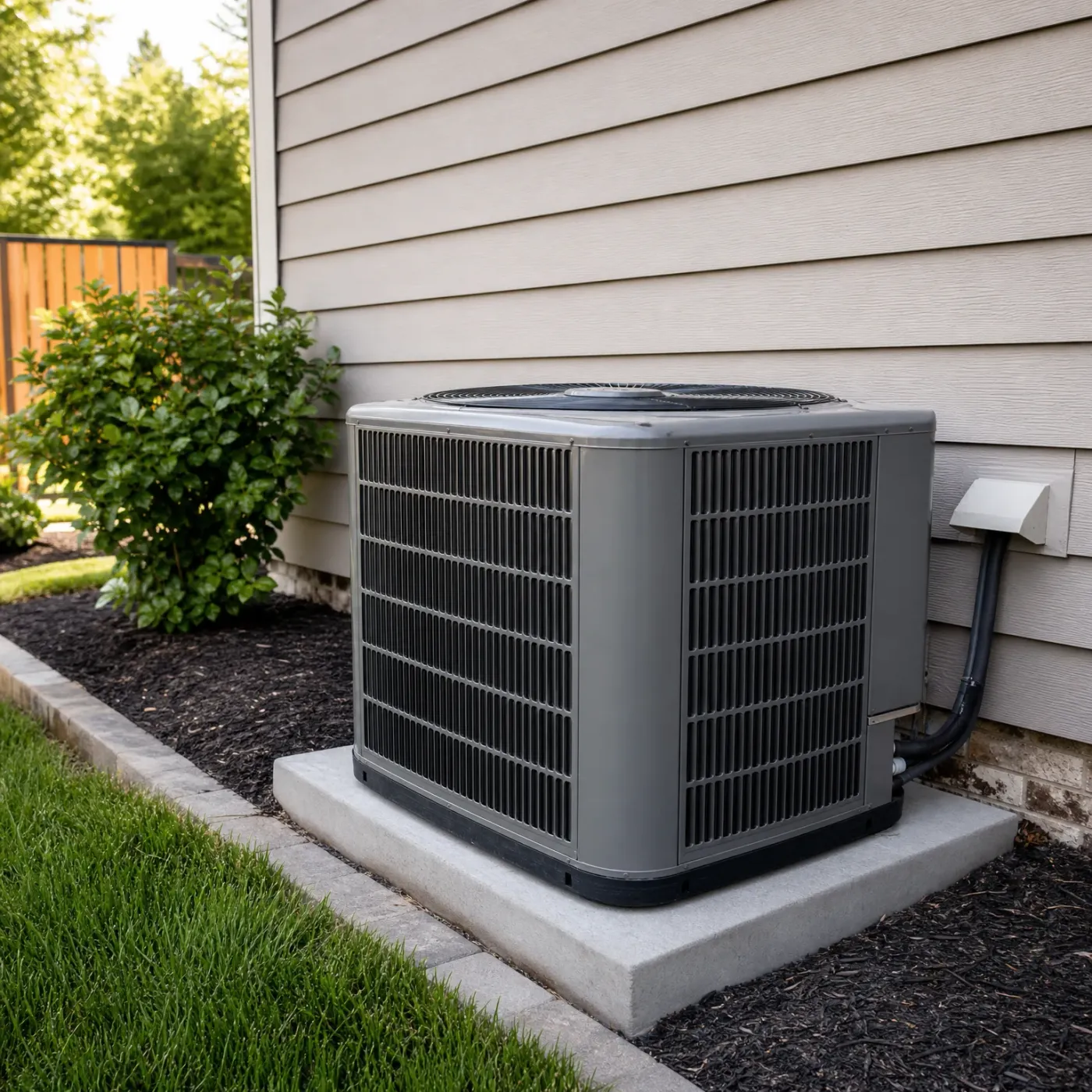
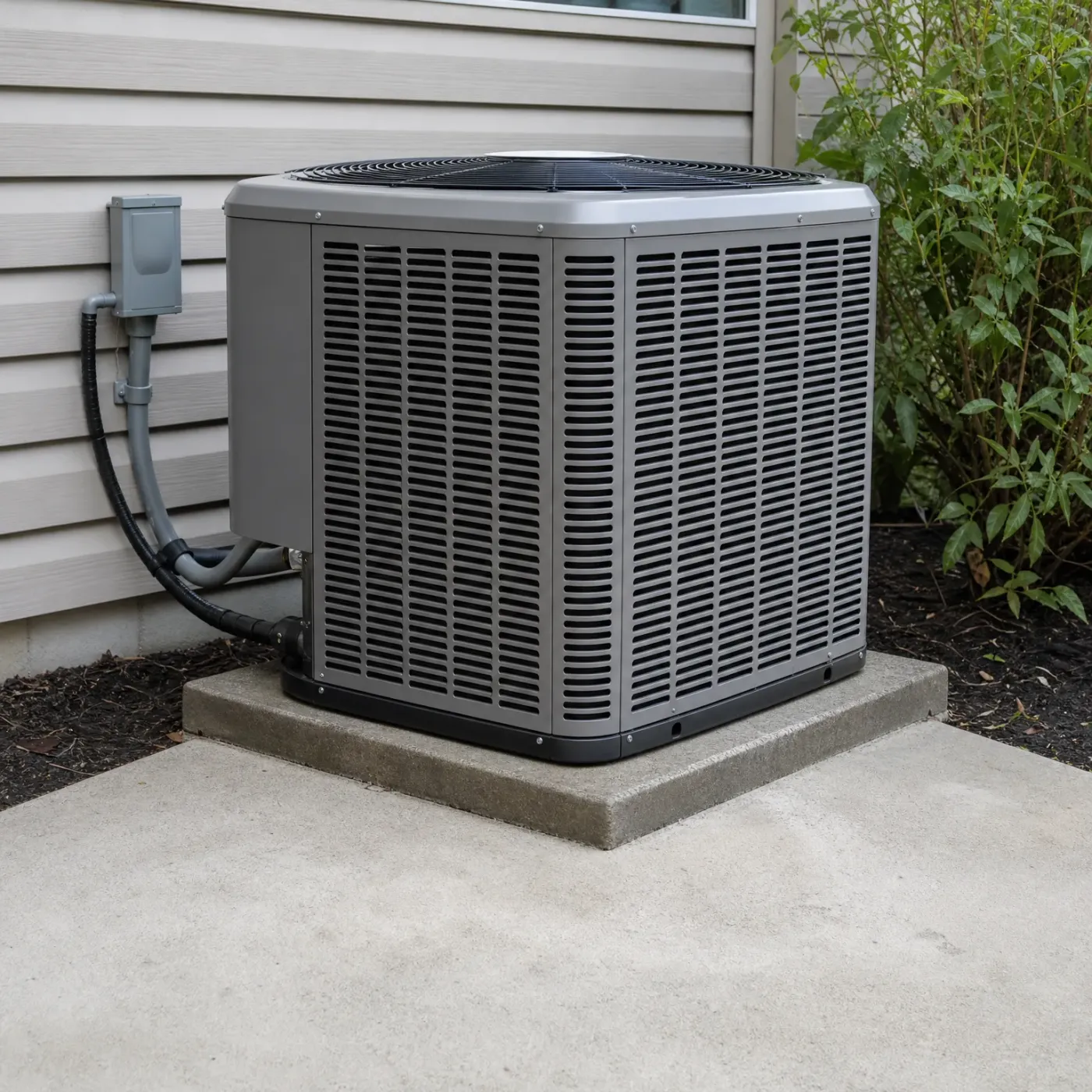
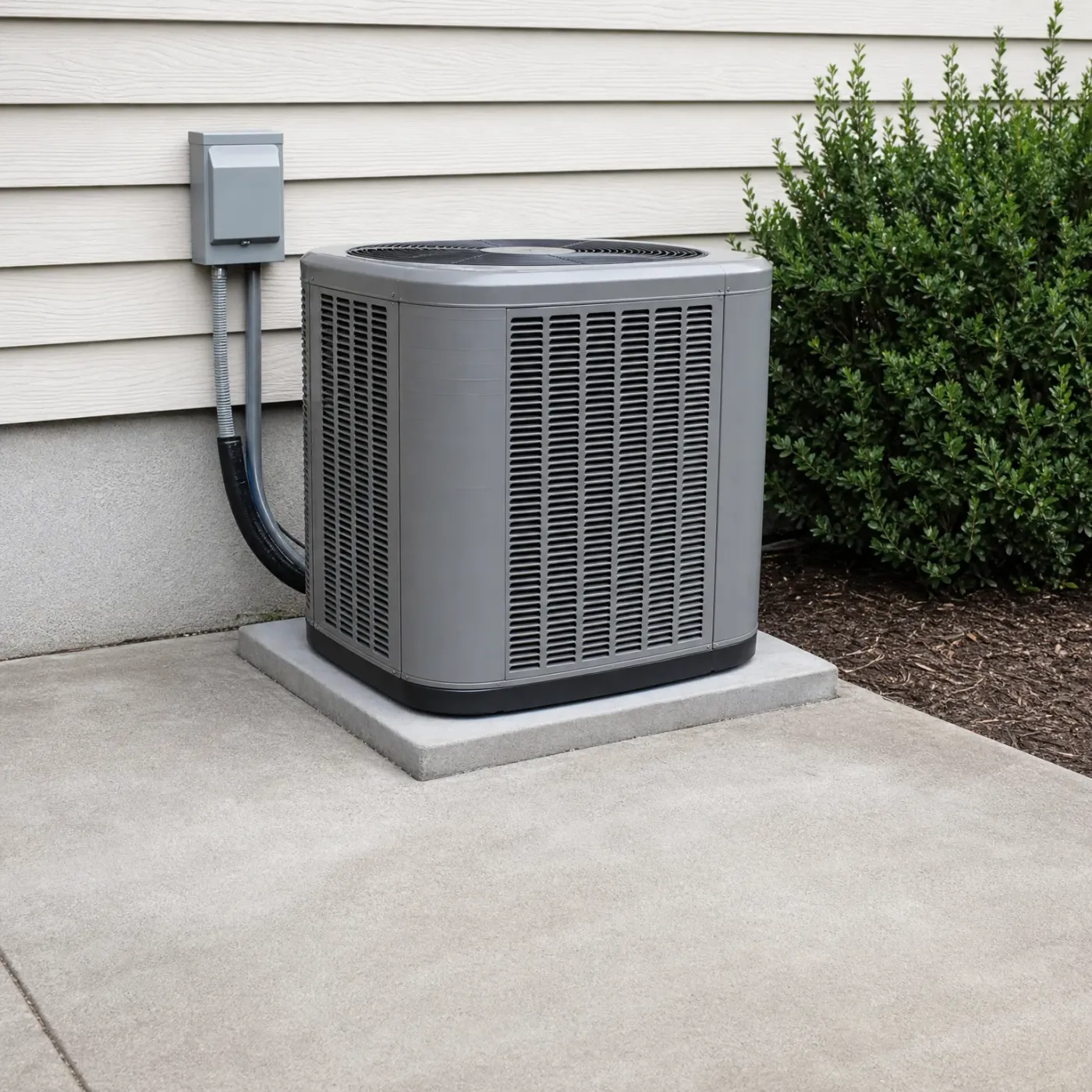
A central AC that's running clean, with its coil clear and the pad level, cools the house without the system straining.
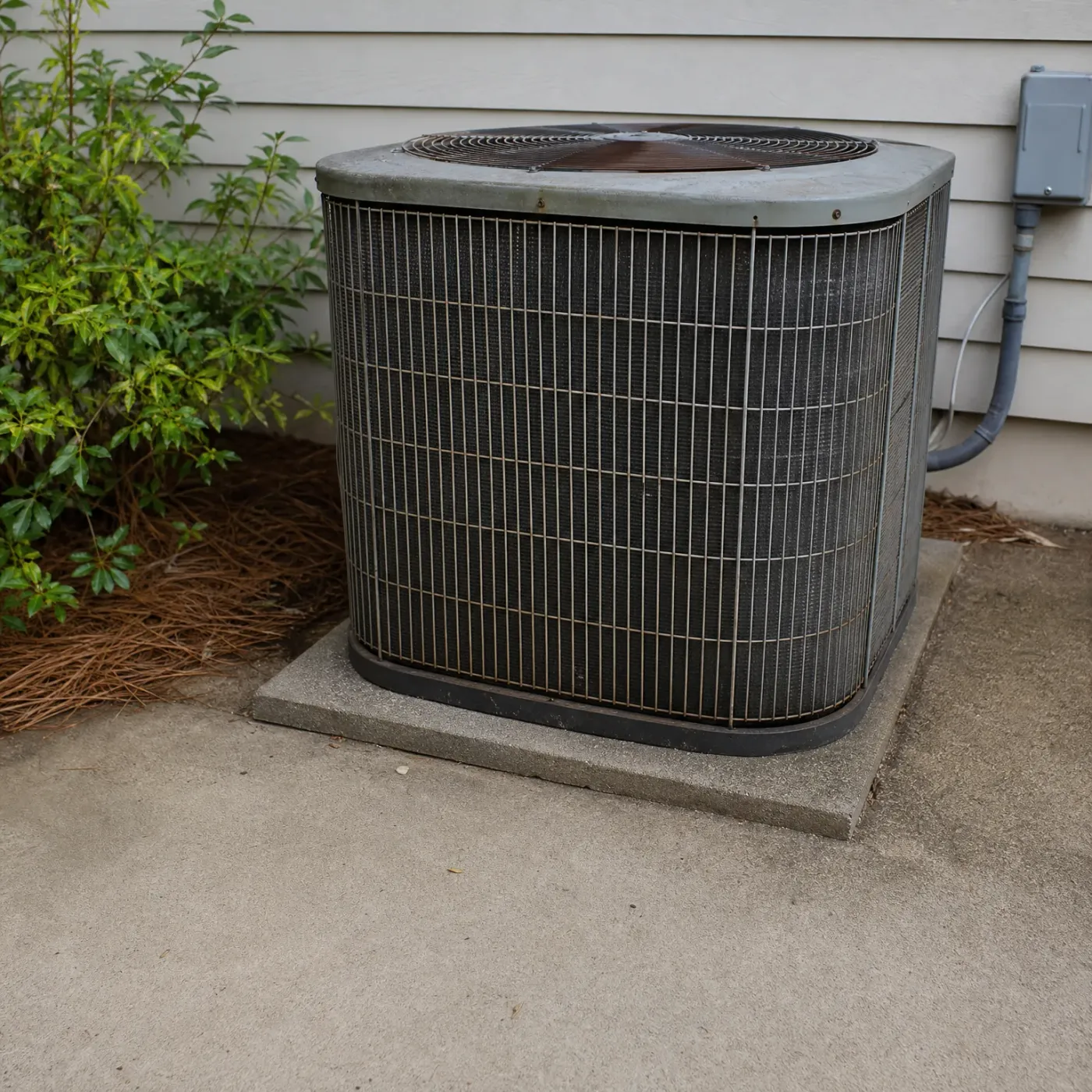
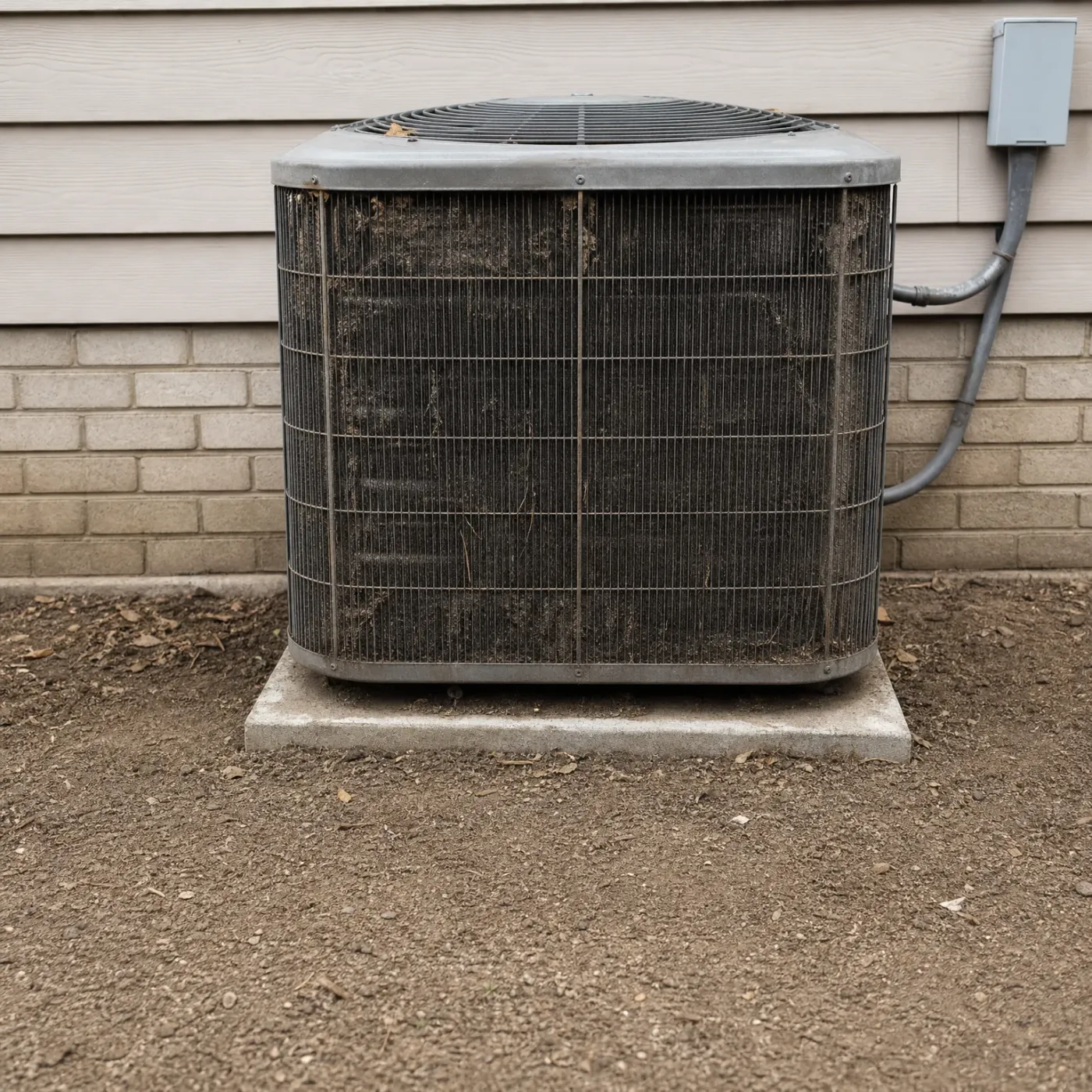
Rust on the shroud and dirt packed in the fins mean the unit is working harder than it should to keep up with a Kansas summer.
1
Technician checks your ductwork condition before recommending central air
2
Load calculation sizes the system to your home's square footage
3
Central air needs a condenser pad outside and a coil above the furnace
4
Mini split mounts an indoor head on the wall you choose
One request and it's handed off
The pro who reaches out is licensed in Kansas.
One request ends the search for an air conditioner installer.
It costs nothing to send, and you don't have to hire anyone.
Whole House or Room by Room
Central Air
Works with the ductwork your gas furnace already uses, so the installer is adding a condenser and coil, not a whole new delivery system.
Cools every room off one thermostat, which matters if your home already holds a steady temperature through the house.
The condenser sits on a pad outside and needs a few feet of clearance on each side for airflow.
If your ducts leak or run through an unconditioned attic, the system loses some of what it's producing before it reaches the room.
One set of filters to change and one coil to keep clear, instead of a head in every room to maintain.
Mini Split
Puts cooling in a room with no ducts, like a finished attic or a garage turned into a workspace, without cutting into walls for ductwork.
Each indoor head has its own thermostat, so a bedroom can run colder than the rest of the house without affecting it.
The outdoor unit is smaller than a central AC condenser and can mount on a wall instead of sitting on a pad.
A home with several rooms needing coverage means several indoor heads, one per room, each wired back to the outdoor unit.
Humidity control happens room by room, which helps in a space that runs muggier than the rest of the house.
Running the way it should
This condenser is doing its job without a fight. The lines run clean from the pad to the disconnect, nothing blocking the grille, nothing leaning on the cabinet. A unit set up like this holds your house at temperature through a muggy Kansas afternoon without straining.
Working harder than it needs to
That grille is caked with dirt and the cabinet shows its age. Airflow through a fouled coil drops, so the compressor runs longer to move the same heat out of the house. By August that shows up as a system that never seems to catch up.
What ductwork already gives you
A central system uses the ducts your furnace already runs air through. If those ducts are sealed and sized right, a new coil and condenser can push cooled air to every room off the one thermostat already on your wall. That's less new equipment going into the house, since the delivery side is already built. The furnace blower moves the air, the coil just cools it on the way past. Worth having a contractor check the ducts themselves before counting on this, since a leaky or undersized run limits what any new condenser can do for you.
What a mini split skips entirely
A mini split doesn't touch your ductwork at all. Each indoor head mounts on a wall and runs its own line set out to a small outdoor unit, so a room with no vent, like a finished attic or a converted porch, gets cooling without cutting into any wall or ceiling to run a duct. That's the whole appeal for an add-on room. It also means each head cools only the room it's in, so a house with several rooms needing coverage needs that many heads, each set to its own temperature.
Before you get your air conditioner installationAfter you get your air conditioner installation
Power costs 14.44 cents per kilowatt-hour statewide
At that rate, a mini split earns its keep in the room it's actually cooling, instead of you paying to chill hallways and closets nobody sits in. Central air still makes sense if your ducts already reach every room, but every degree you push past 72 shows up on that same per-kilowatt-hour rate.
EIA-861 2025 statewide residential average
The choice comes down to what your house already has. Ductwork that reaches every room and a gas furnace with room above it for a coil, central air is the simpler path. A room the ducts never reached, or a space you added without them, a mini split cools it without tearing into walls. Either way, the install matters as much as the equipment, the coil sized to the home, the lines set so the unit isn't fighting itself before the first hot week hits. A local contractor who works on Kansas systems all summer has seen what fails here and what holds up, the coil that corrodes from sitting low, the line set run wrong, the condenser crammed somewhere it can't breathe. Send the request and you're matched with one licensed contractor local to you, not a handful competing for the callback. You'll know which system fits your house, and you'll know who to call when it's time to put it in.
Done looking for an air conditioner pro
Only one pro gets your request, so you hear from one company.