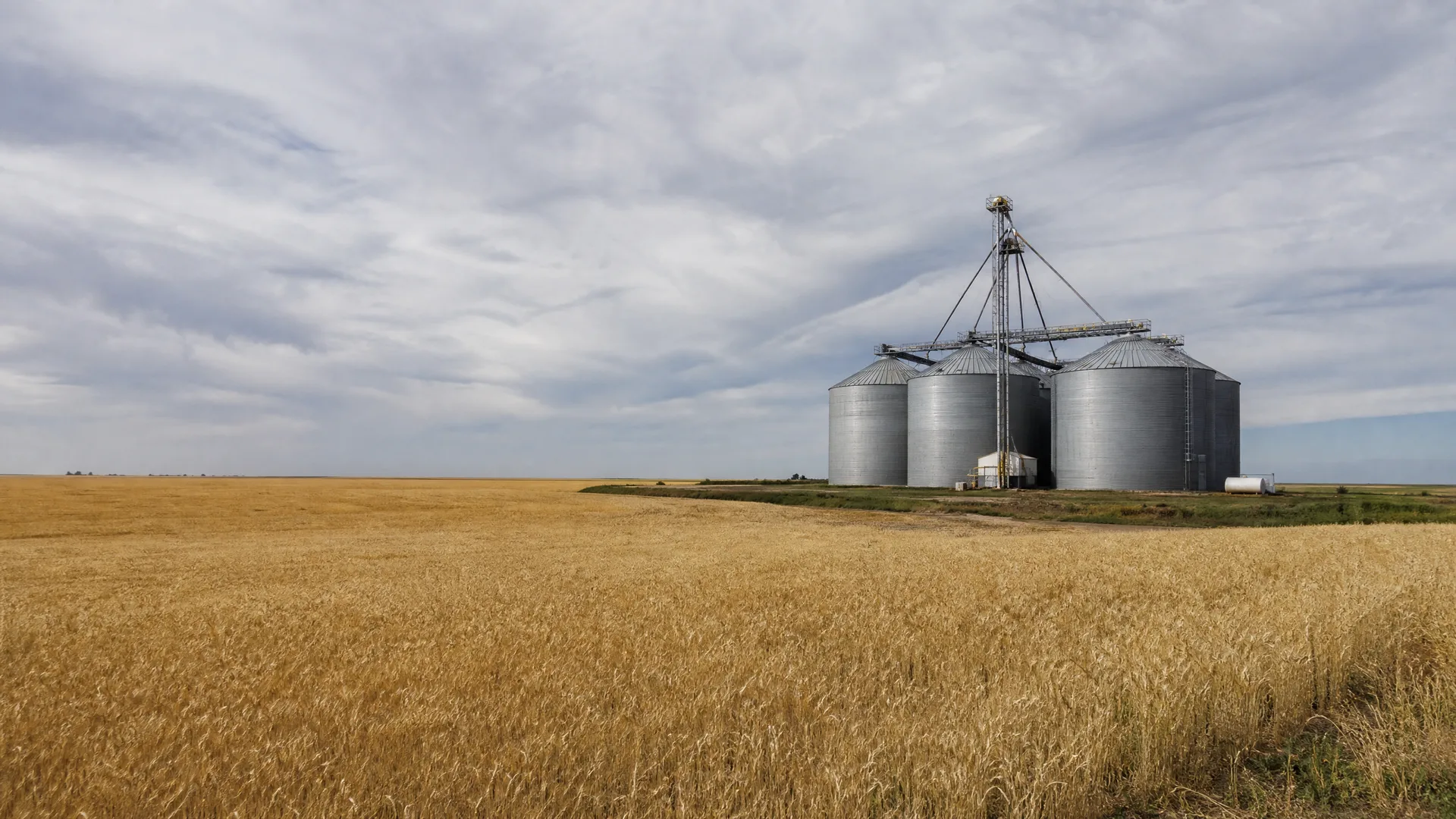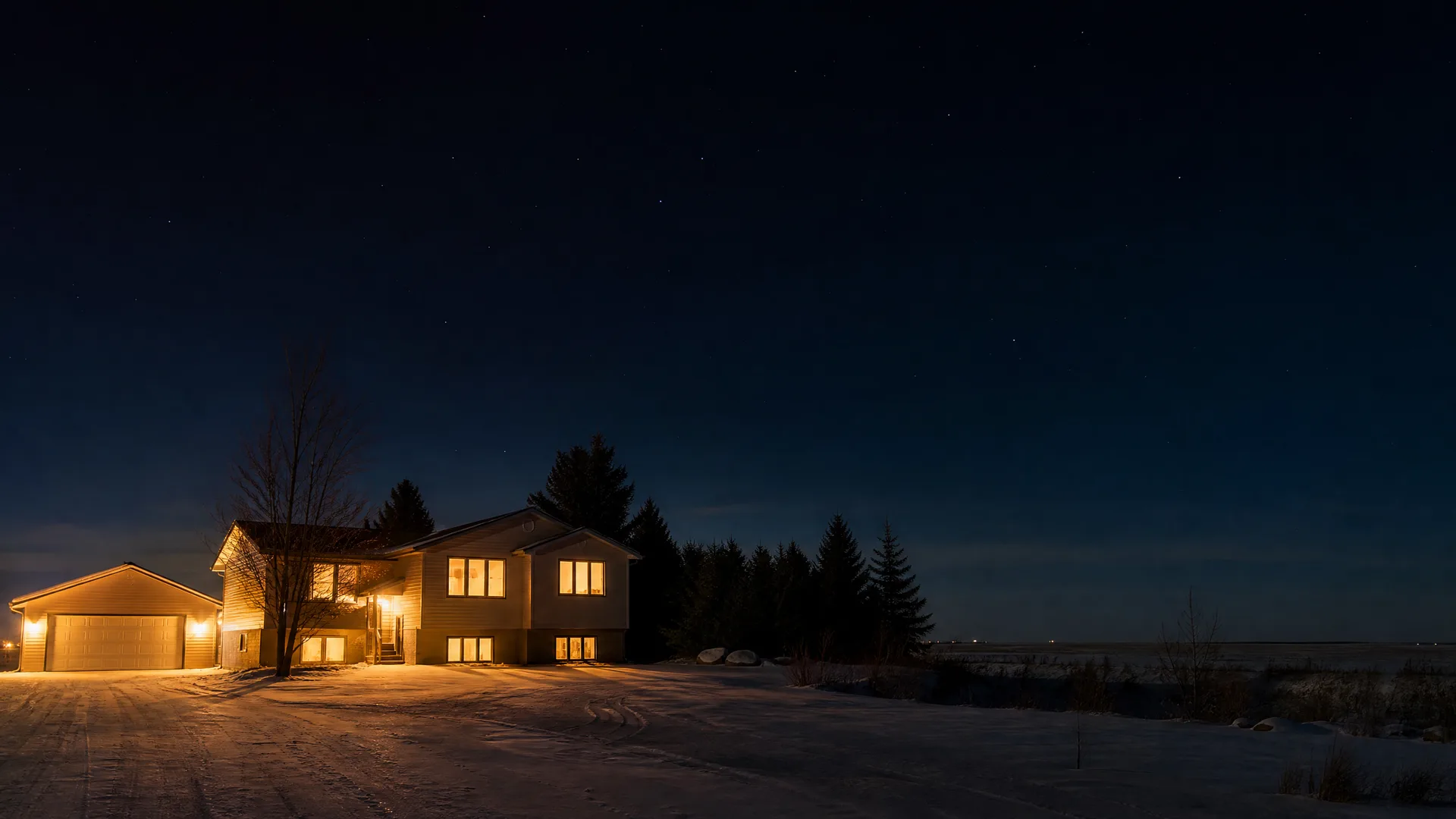
Running clean
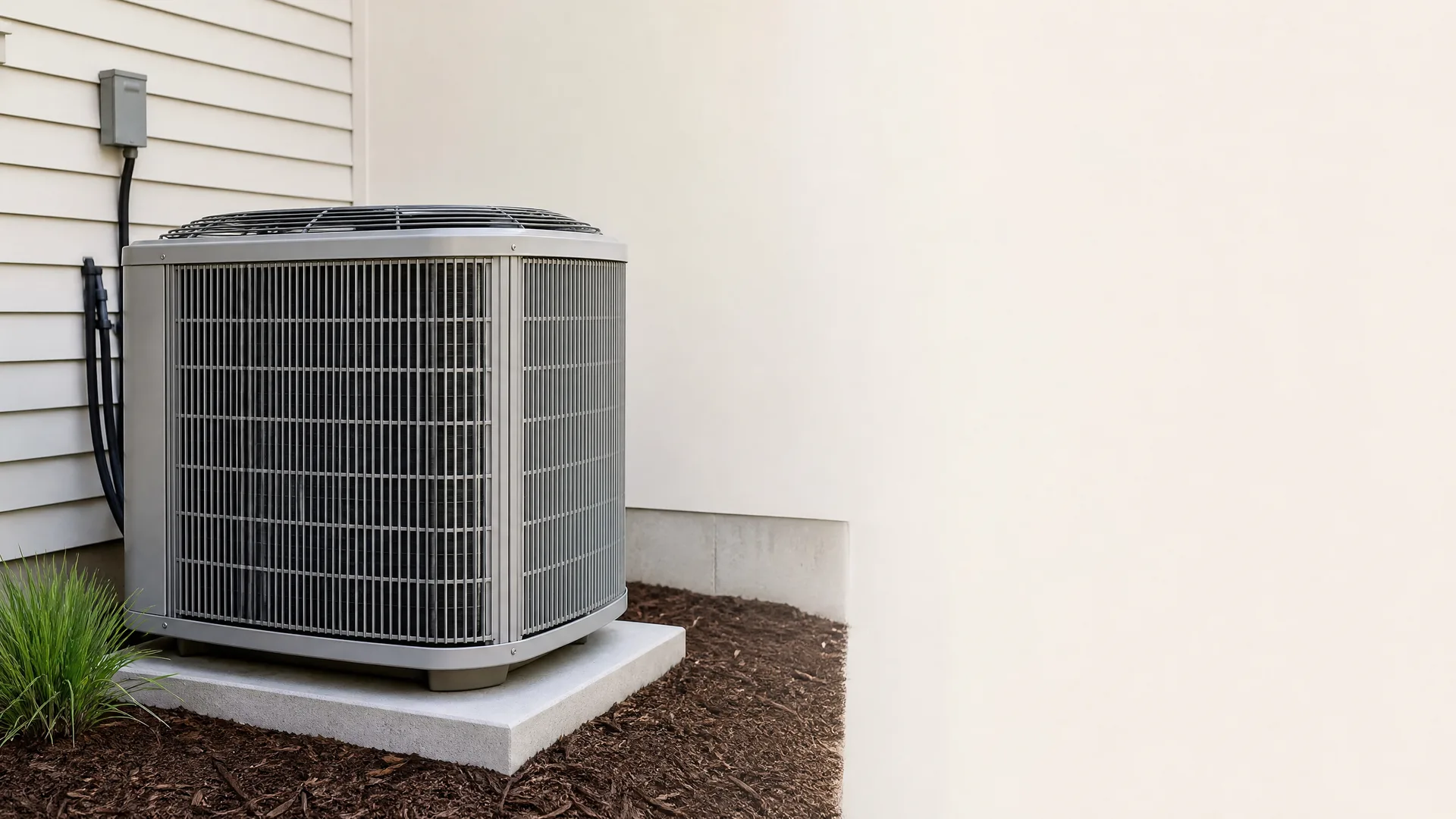
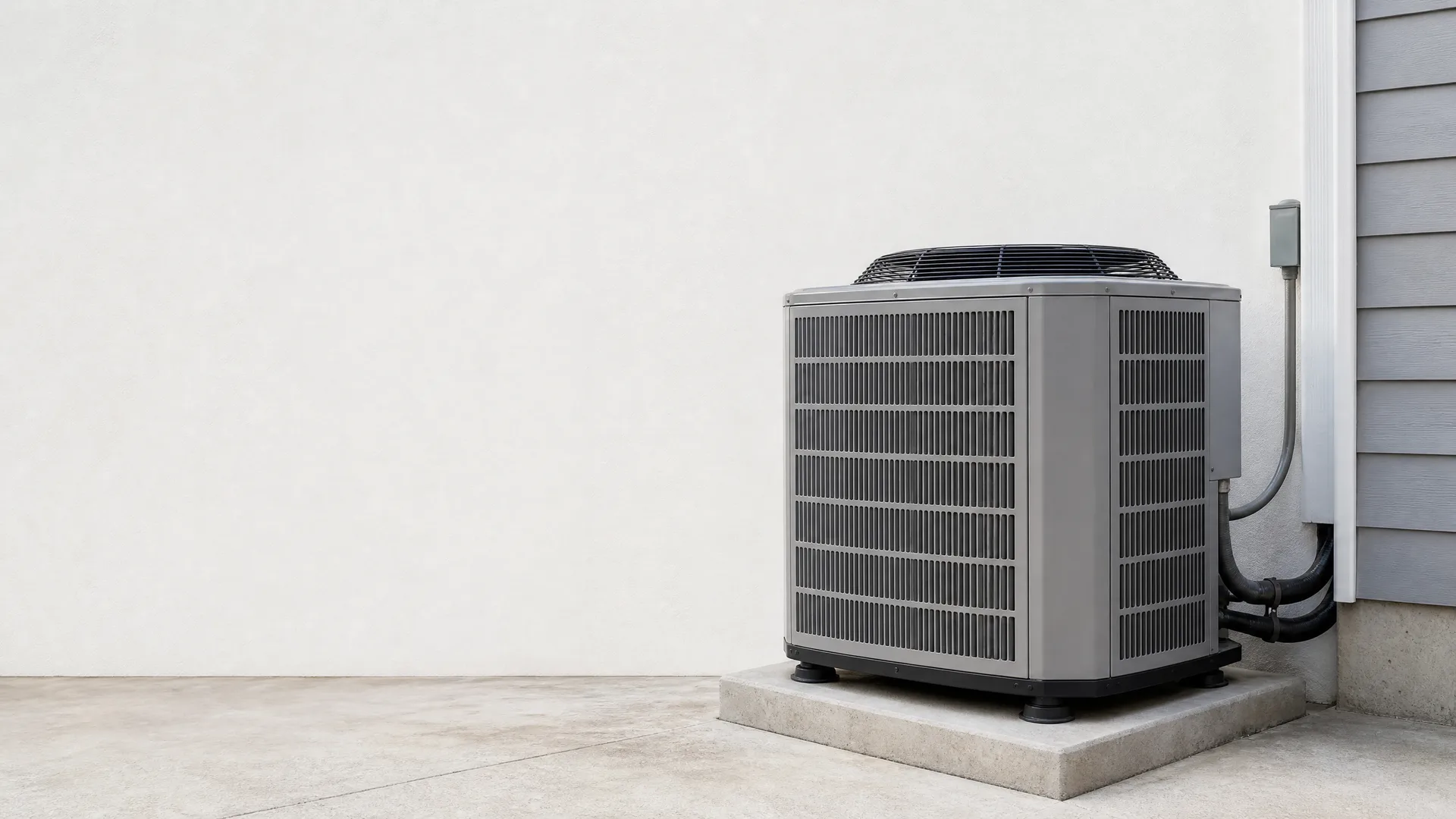
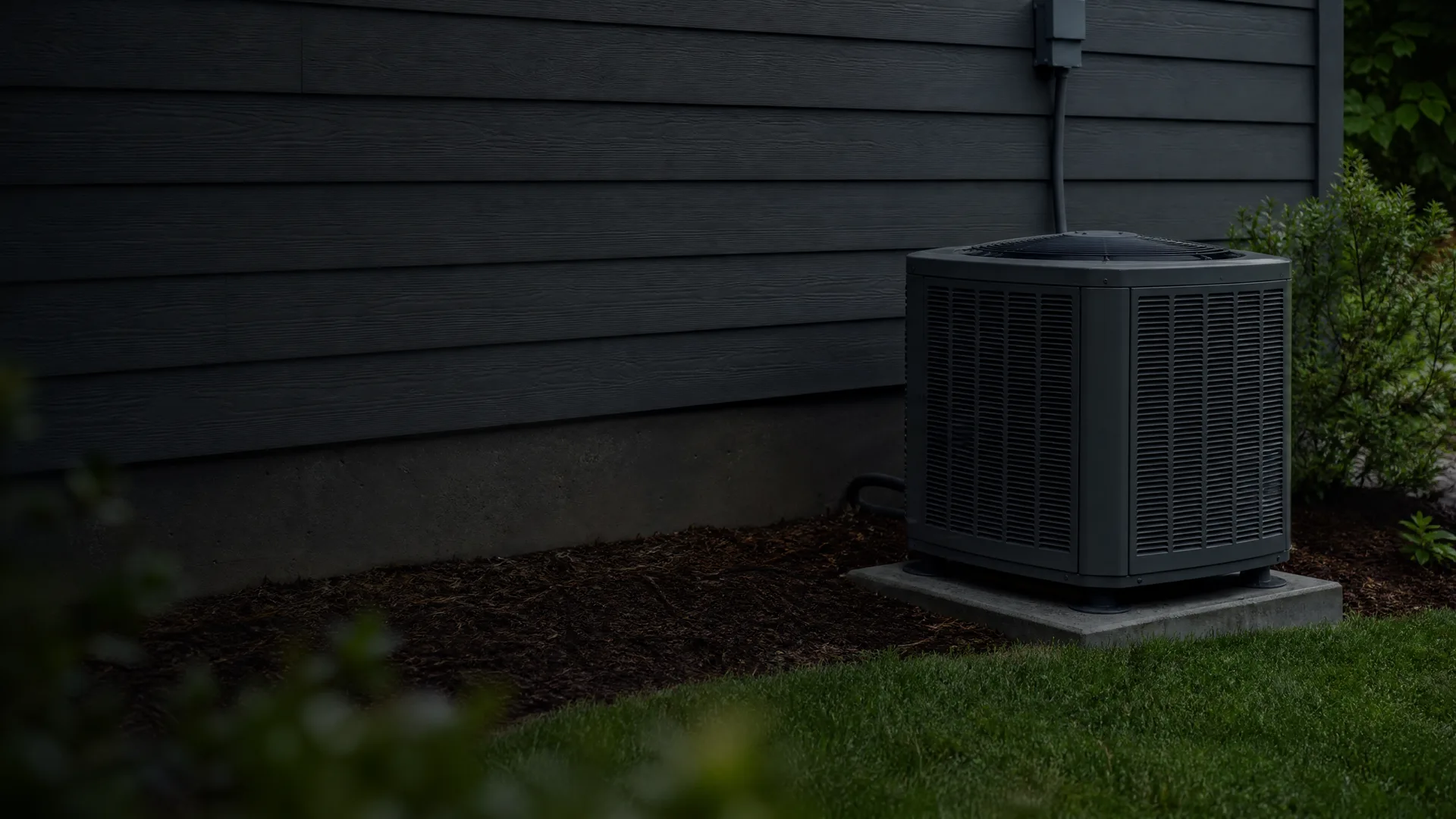
This is a condenser doing what it's built to do. The coil is clear, air moves through the grilles, and the disconnect box on the wall is there for a contractor to cut power safely before touching anything inside.
Your AC won't come on and it's muggy outside, which in Lawrence means this can't wait on a callback tomorrow. The usual route is a search through company sites, a round of calls to see who even answers, explaining the same symptoms to each one, then trying to weigh quotes against each other without knowing who's actually good. That's the part that eats the afternoon. Submit a request here and it goes to one licensed contractor working in the Lawrence and Douglas County area, someone who services this kind of equipment all summer and has a good sense of what's behind a system that won't start. No list of names to sort through, no competing bids to referee, just one call back from someone who can look at your unit. Finding the right person for this is the slow part. This is how you skip it.
When your AC won't turn on at all, the problem is usually one of a few things: a tripped breaker, a blown fuse at the outdoor unit's disconnect box, a thermostat that's lost power or lost its mind, or a safety switch that's shut the system down on purpose. That last one matters in Lawrence, because a clogged filter or a dirty condenser coil makes the system work harder in long, muggy summers, and a lot of units respond by tripping a safety switch rather than running themselves into real damage. A drain pan sensor can do the same thing if the condensate line is backed up. None of these are things to force past by resetting the breaker over and over. A contractor can check the capacitor, the contactor and the low-voltage wiring in a single visit and tell you which one actually failed, rather than you guessing while the house gets warmer.
A central air conditioner pulls the most current the moment it starts, when the compressor has to overcome standing pressure in the lines. On a hot afternoon that startup load is higher, and a breaker that's been marginal for a while can finally give out. If the breaker trips again right after you reset it, the system is telling you something downstream is drawing too much power, not that the breaker itself is bad.
Many systems have a float switch sitting in or near the condensate drain pan, and its only job is to cut power if that pan fills up. A clogged drain line backs water up into the pan fast, and the switch shuts the unit down before the water reaches your ceiling or floor. It's doing exactly what it was built to do. Clearing the line is what gets the system running again, not resetting anything at the switch itself.
You set the thermostat down and nothing happens. No hum from the outdoor unit, no click, no air moving at the vents. Maybe you hear a faint click when you adjust the thermostat but the compressor outside never starts. Maybe the indoor fan runs but no cold air comes out, or it ran fine an hour ago and now it's dead quiet. The screen on the thermostat might be blank, or lit up and unresponsive. Meanwhile the house is holding onto the heat from outside, and in a Lawrence summer that doesn't take long to turn uncomfortable, especially for anyone older, very young, or dealing with a health condition that heat makes worse.

This is a condenser doing what it's built to do. The coil is clear, air moves through the grilles, and the disconnect box on the wall is there for a contractor to cut power safely before touching anything inside.

This coil is packed with dirt and cuttings on the grilles, and that cuts off the airflow the unit needs to dump heat. A unit working against that can trip its own safety switch or the breaker at the disconnect box and simply shut down.




A dead AC in a Lawrence summer isn't something to sit with while you dig through company websites and wait for someone to call back. You'd normally have to search, call a few numbers, explain the breaker trip or the silent compressor to each one, then weigh whatever quotes come back against each other, all while the house holds the heat. This sends your request to one contractor, local to Douglas County, who works on these systems all summer and has a good idea what's behind a unit that won't start before ever seeing it. No list of five companies competing for your callback, just the one who's set to look at it. That's less sorting for you to do while the inside of your house keeps climbing past where you want it, and the fix still has to wait on someone standing in front of the unit.
A tripped breaker you can reset. A thermostat with dead batteries you can swap. If the breaker trips again right after you reset it, stop there. That's the system telling you something's wrong downstream, and resetting it a second or third time risks the compressor itself. Same with a fuse at the outdoor disconnect: replacing it once is reasonable, but if it blows again, the fault is still there. These are the checks that take five minutes and cost nothing. Past that point, you're guessing at parts you can't test with a multimeter and a breaker is the only tool in your hand.
A breaker that trips twice, a compressor that hums but won't start, a system that's warm to the touch or smells faintly electrical: these call for someone who can open the disconnect safely and test the capacitor, the contactor, and the wiring behind it. A safety switch that's shut things down on purpose, like a float switch or a high-pressure cutoff, needs the condition that triggered it found and fixed, not just reset. Pushing past a tripped breaker or a cycling safety switch on your own can turn a contained problem into a burned-out compressor, which costs far more to put right than the call would have.



This condenser sits clean on its pad, fins clear, nothing blocking airflow around it. The disconnect box on the wall is there so a contractor can cut power safely before opening the unit. When a system looks like this, a no-start is usually electrical, not mechanical.

Grime has packed into these fins and the casing shows real weathering. Dirt this heavy restricts airflow across the coil, and a unit that's been neglected this long is also more likely to have failing electrical parts inside, the kind that can keep a system from starting at all.
Five months is a long stretch to be without cooling if yours won't start. From May into September, your AC is the only thing standing between you and a house that just holds the heat, so a no-start now is not something to put off.
NOAA nClimDiv 1991-2020


A contractor checks the thermostat call and the low voltage circuit first.
Power gets traced from the breaker to the outdoor disconnect box.
The contactor is tested to see if it's pulling in when it should.
Safety switches, like the float switch and high pressure switch, get checked for a trip.

A tripped breaker, a dead thermostat, a blown fuse at the disconnect, or a safety switch doing its job. Once a contractor knows which one it is, the fix usually follows quickly behind it. You don't need to figure out which before you call. That part is the contractor's job, not yours.
What you do need is someone who'll show up and start checking rather than guessing over the phone. A contractor local to Lawrence who works on these systems every summer has seen this exact no-start more times than you have, and knows where to look first. Calling one contractor instead of shopping around means you explain the problem once, to someone who's already on the way, instead of retelling it to every company you dial.

A licensed pro who works in Douglas County gets your request.