1 contractor, not 5 quotes to sort through
You put in one request and one local contractor who works on Crawford County systems every summer calls you back, instead of you fielding calls from several companies.
Explain it one time
Summer in Crawford County gets hot and sticky for months, and the last thing you want is your AC quitting in July. A tune-up before the heat sets in catches the weak capacitor or low charge before it leaves you without cooling. Instead of calling around to different shops and explaining your system over and over, you get matched with one local contractor who works on units like yours all season.
Answer a few questionsA tune-up before summer means having a contractor check your air conditioner now, before Pittsburg's heat and humidity set in, so the parts that wear down over a year of use get caught while they're still working. The refrigerant level gets checked, the coils get cleaned, the electrical connections get tightened, and the capacitor that starts the compressor gets tested under load. That capacitor is one of the most common reasons an AC quits in the middle of summer, and it usually shows signs of weakening before it fails outright. A dirty coil makes the whole system run longer to cool the same house, which shows up on your power bill before it shows up as a breakdown. Spring is also when contractors have time to look closely. By July, when a stretch of 90-degree days has every AC in Crawford County running nonstop, most of them are out running emergency calls instead.


A tune-up follows a set order, and each step catches something different. The contractor starts outside, clamping a meter on the fan motor and compressor to see what amperage they're actually pulling compared to the nameplate rating. A motor pulling more than it should is working harder than it needs to, and that shortens its life. Next comes the capacitor, tested against its rated microfarad range. Capacitors weaken gradually, and a weak one often holds on through spring only to fail the first hot week of summer when the compressor needs that extra kick to start. Refrigerant pressure gets checked at the service valves with gauges, not estimated by how cold the air feels at a vent. Both too much refrigerant and too little put strain on the compressor, the most expensive part to replace. Inside, the condensate line gets cleared, since a clog there sends water back into the house instead of out through the drain. Electrical connections at the disconnect box and contactor get tightened, because a loose connection arcs and burns the contact points, which eventually leads to a point where the unit won't call for cooling at all. Last, the blower wheel and evaporator coil get checked for dust, since buildup on either one restricts the airflow the system depends on to cool the house.




You put in one request and one local contractor who works on Crawford County systems every summer calls you back, instead of you fielding calls from several companies.
A tune-up measures your AC's amperage and refrigerant pressure against what the manufacturer specifies for that unit, not a general guess at what's normal.


You could spend an evening calling AC companies around Pittsburg, leaving messages, waiting for callbacks, then explaining the same thing to each one before you even get a quote. Put in one request here and a local contractor who services Crawford County systems every summer calls you back, so you're dealing with one person instead of juggling five estimates. That matters more this time of year, when every AC company in the area is booking up for the first hot stretch and the contractors who know these systems get busy fast. The sooner someone gets eyes on your capacitor and your refrigerant charge, the less chance you're the one calling in July asking for an emergency visit instead of a scheduled one. Humidity like this doesn't wait, and neither does a unit that's already borderline.

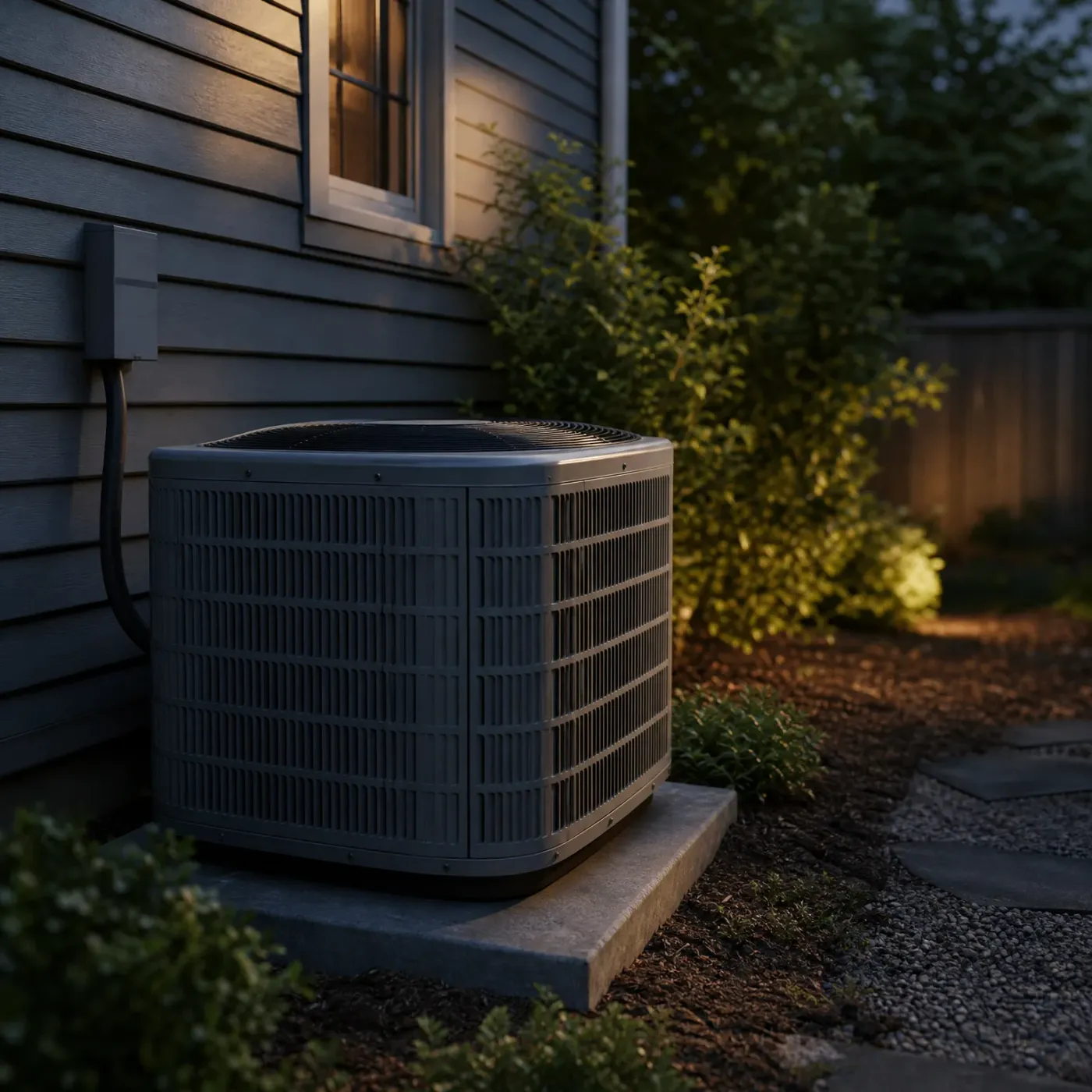
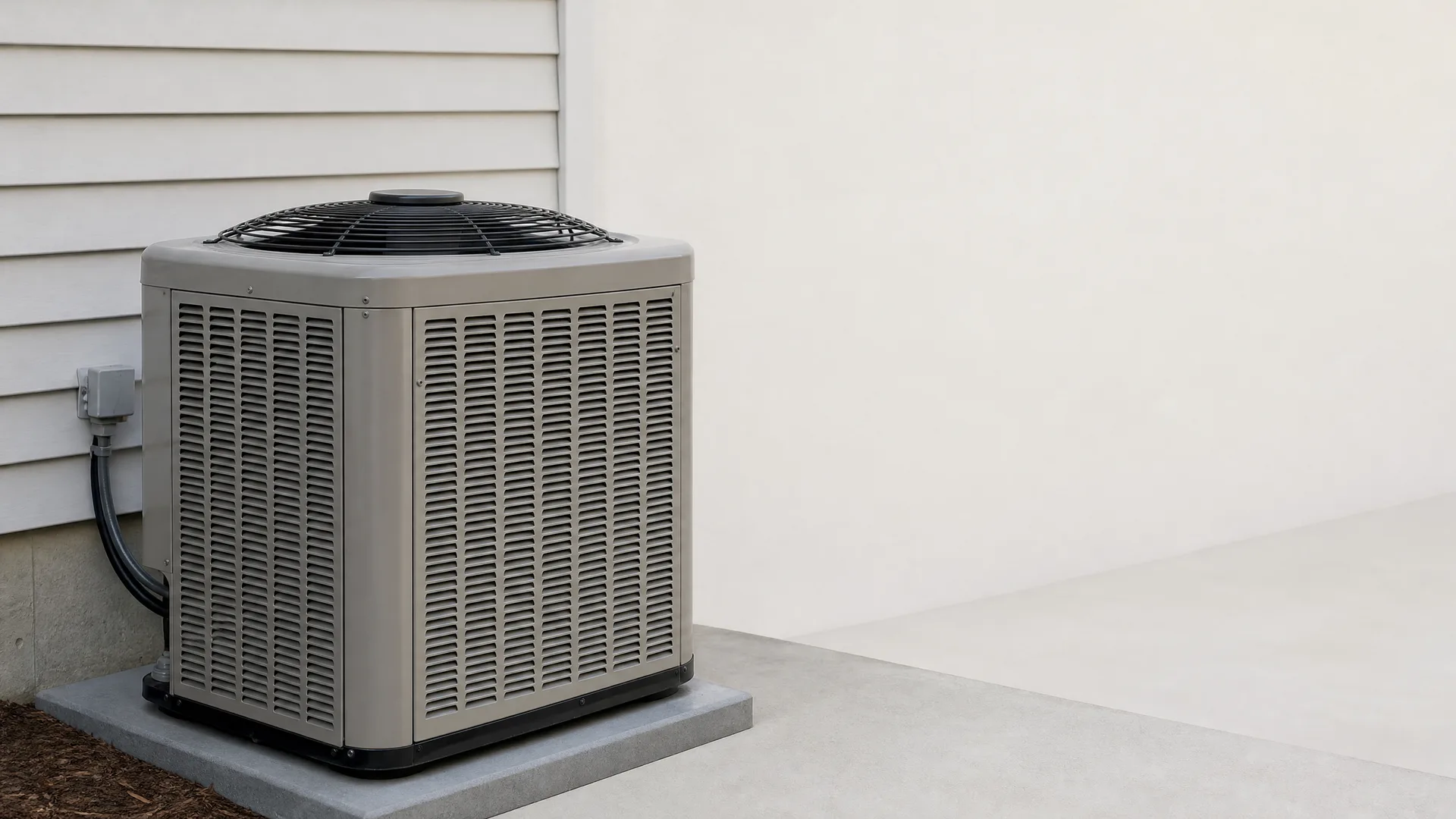
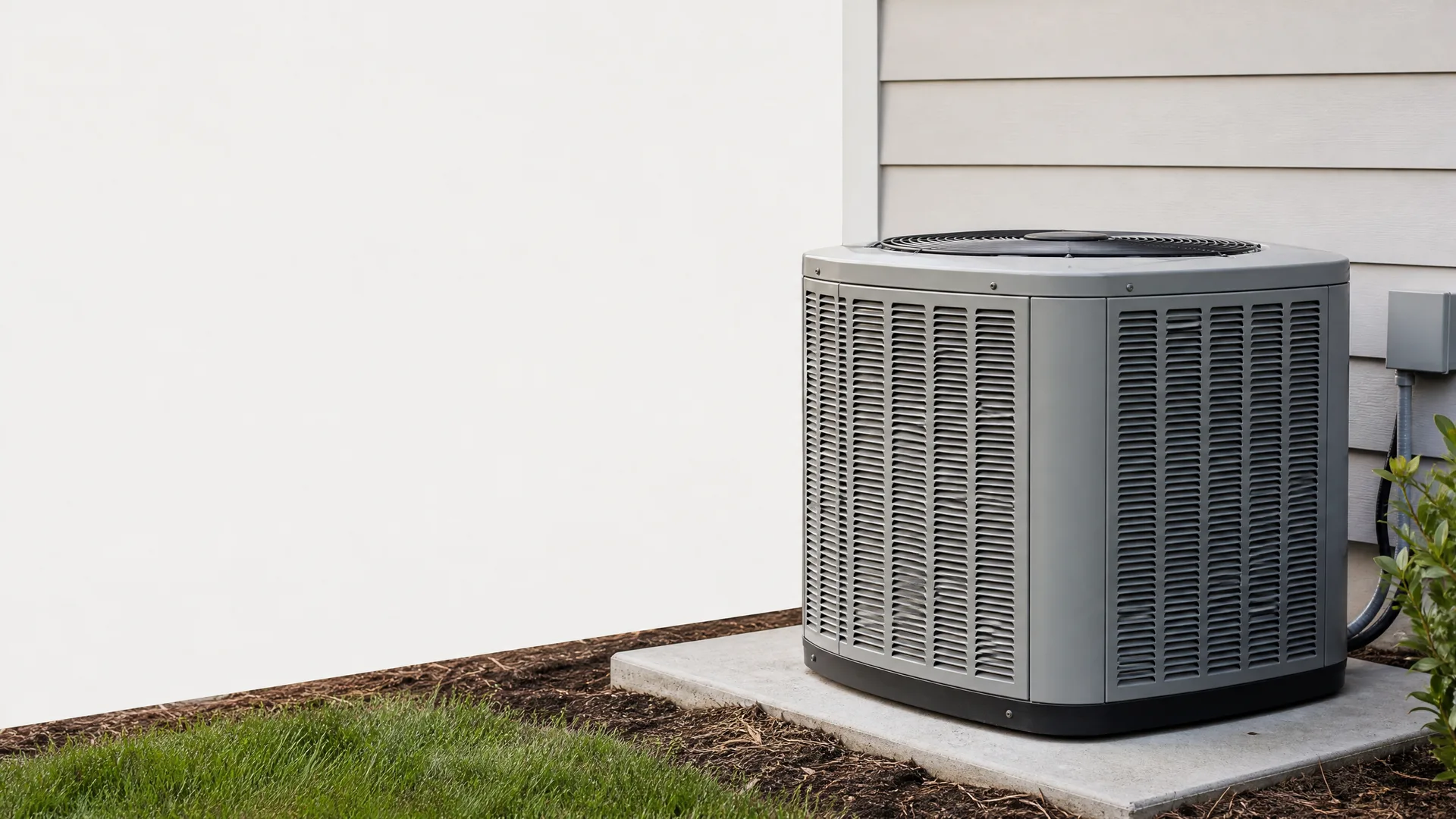
This is a condenser doing its job. Air moves through the coil fins without resistance, the fan pulls heat out the way it's designed to, and the compressor isn't fighting to keep up. A unit kept like this holds its charge and its amp draw stays close to the nameplate.

The coil guards here are packed with dust, grass clippings, cottonwood fluff, whatever's been in the air around it. Airflow through those fins is cut down, so the compressor runs longer and hotter to move the same heat out of your house. Left alone, that's what shortens a compressor's life.


Five months is a long stretch to find out your AC can't keep up. Once it switches on in May, it's running most days straight through September, so whatever's weak in it gets found the hard way if nobody looks first.
NOAA nClimDiv 1991-2020
A dirty coil or a weak capacitor doesn't usually fail on a mild day. It fails when the compressor is working hardest, which in Crawford County means a stretch of afternoons in the 90s with the humidity sitting on top of it. That's the day your house holds heat instead of losing it, the day the air coming out of the vents feels warm instead of cool, and the day you're trying to find someone to come look at it while every other AC in the county is also struggling.
When the AC can't keep up, it runs longer to do less. The compressor stays on, the fan keeps turning, and the house still doesn't cool down the way it should. That shows up on the electric bill before it shows up as a breakdown. A unit that's been checked over, the coil cleaned, the charge confirmed, the amp draw tested against the nameplate, isn't working against itself trying to move heat it can't get ahead of.

A contractor checks the charge, the coil, the capacitor, and the amp draw while the unit is still idle, so you know where it stands before it has to run every day. That's the whole job. It either passes clean or something gets flagged and fixed while it's still an easy repair instead of a July breakdown.
You don't have to be the one who finds the right contractor for it. No scrolling through listings, no calling three companies to see who answers, no describing the same noise or the same worry three separate times. One request goes out, one local contractor who knows Crawford County systems calls you back, and you're done with the finding-help part of this before you've spent an evening on it.


Describe it once



