Tell us about the job
Takes about a minute. No obligation.
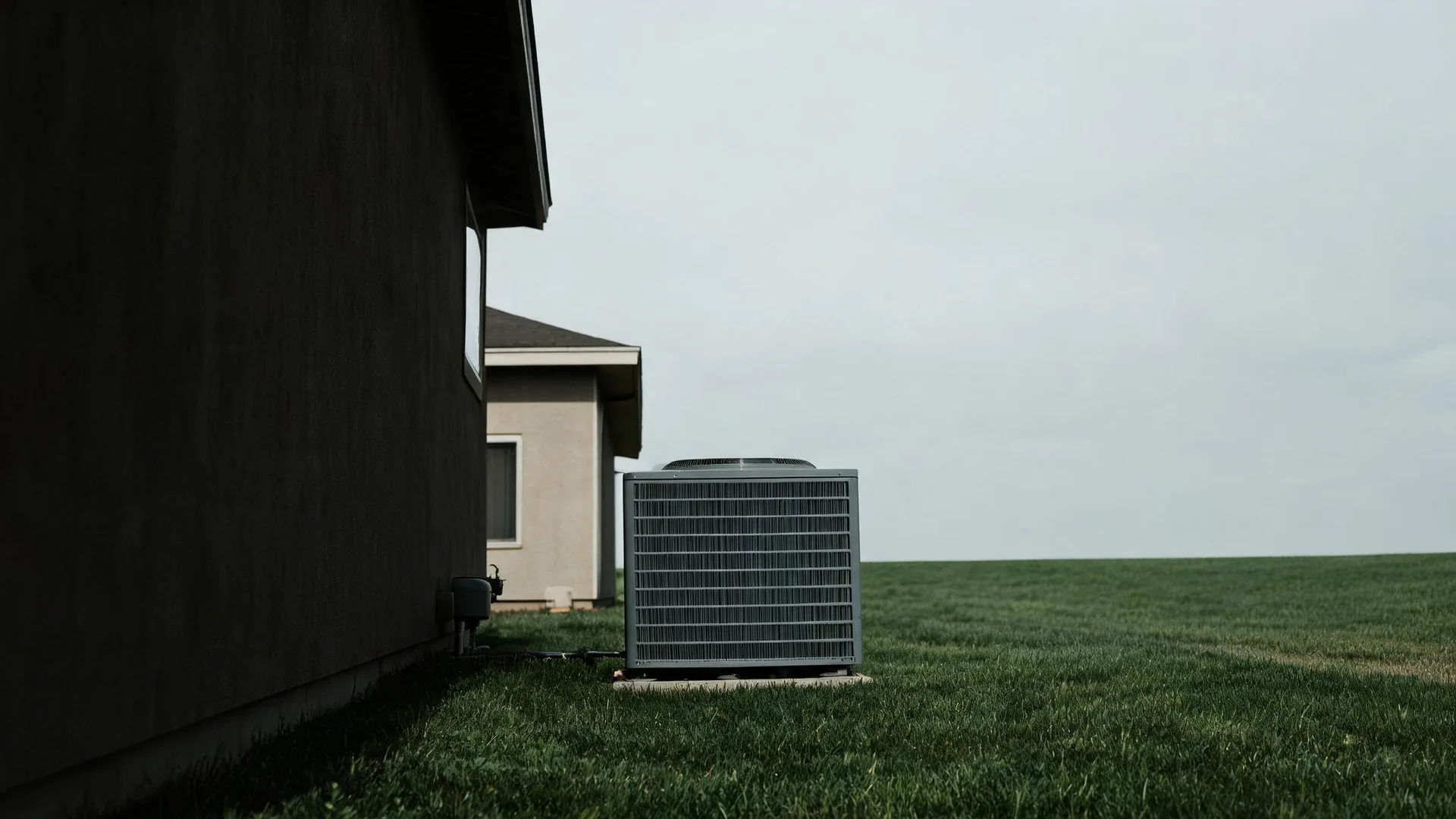
A contractor called out for a central AC repair in Sumner County starts with the compressor and the condenser fan, because those are the parts that have been cycling hardest. Homes in Sumner County, KS run cooling about four months a year, from June through September. Contactors pit, capacitors weaken, and compressor windings degrade in proportion to how many starts the unit has logged. A system that has been running through those months without a maintenance visit gives a contractor a lot to sort through before the real fault shows itself.
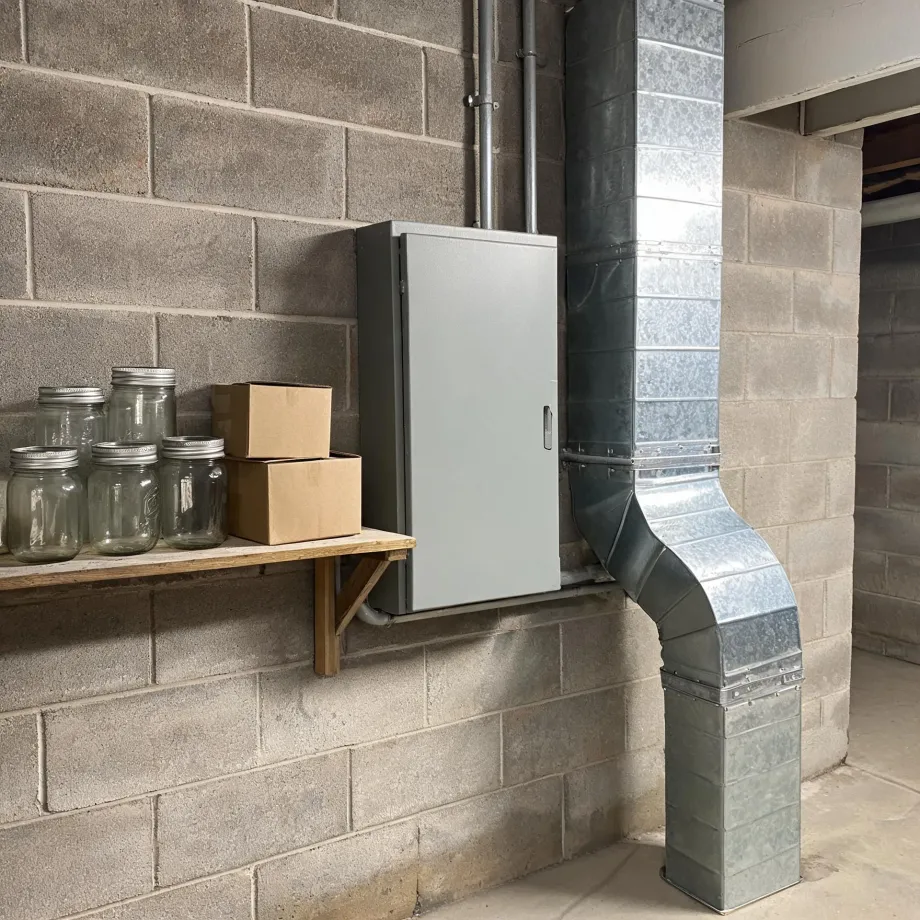
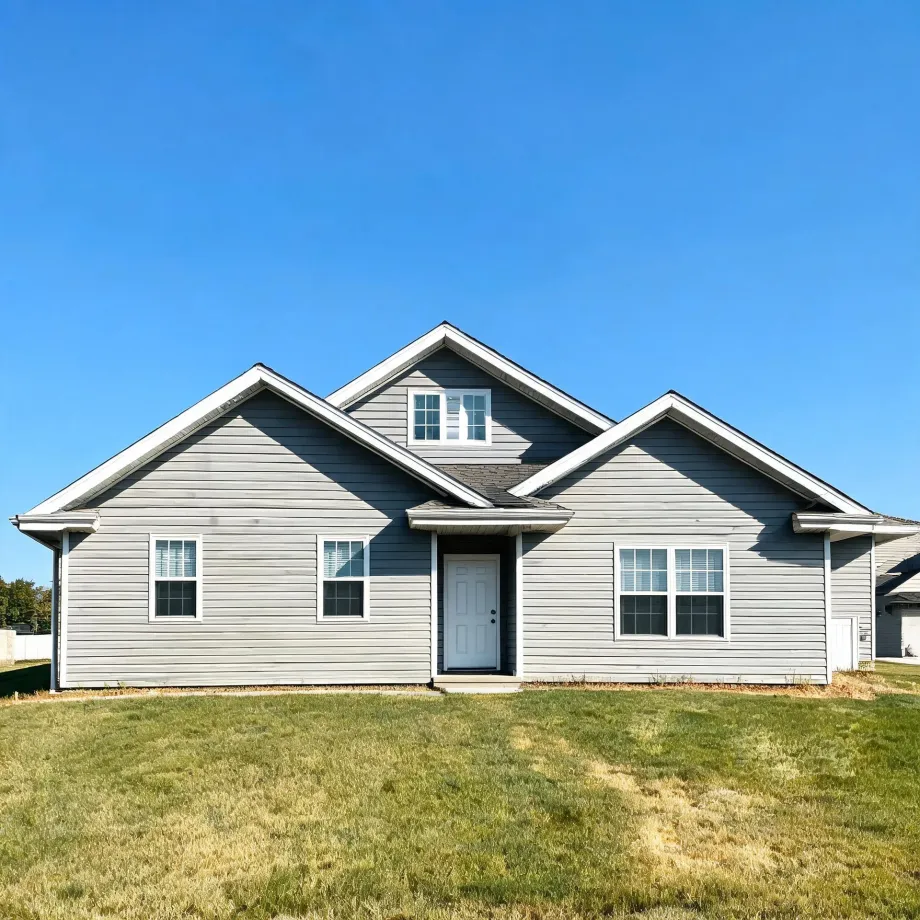
Ductwork in housing of this vintage was sized and routed for equipment that has since been replaced, sometimes more than once, and each swap leaves its own trace inside the system. Half the homes in Sumner County, Kansas were built in 1962 or earlier (2020-2024 ACS 5-year). When a contractor opens a unit here, what they find in the refrigerant circuit, the contactor, or the capacitor reflects that layered history. Parts for a system of this age are not always in regional stock, and sourcing gaps change what a repair costs and how long it takes. That is the variable a homeowner cannot see from the curb.
The Parts of a Central AC a Contractor Checks During Repair
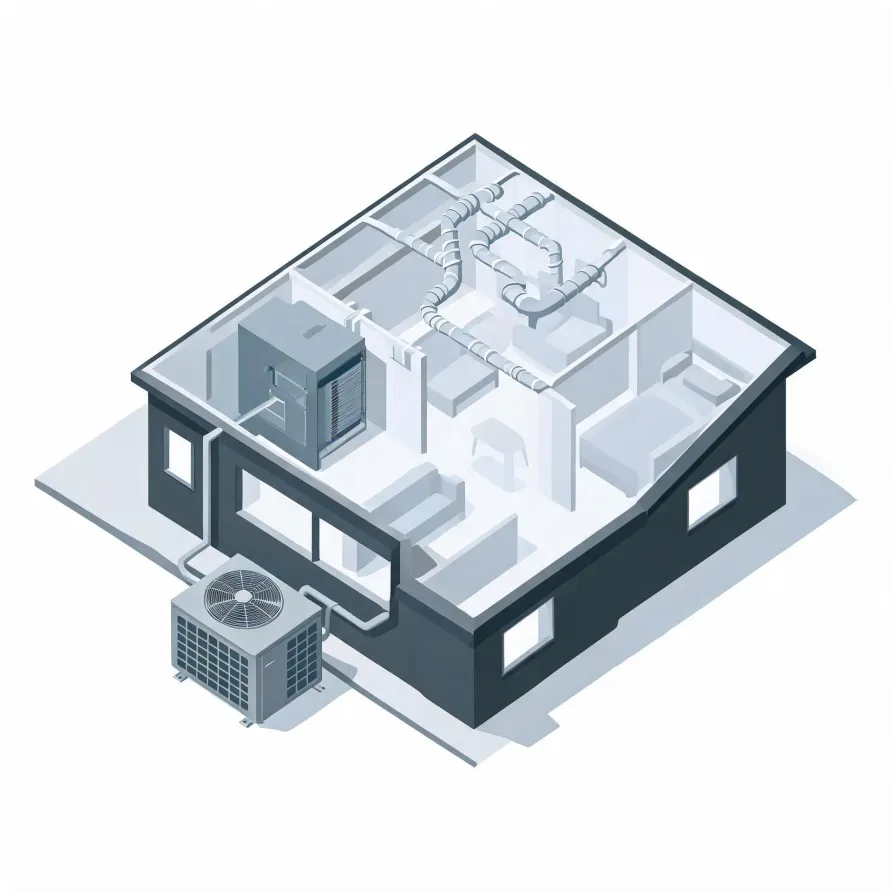
The outdoor condenser unit sits outside the house, usually on a concrete pad against an exterior wall, and it carries the compressor and the condenser coil. When the system blows warm air or shuts off unexpectedly, a contractor starts here. A failed compressor or a coil that has lost refrigerant are common findings at this unit.
Inside the house, the air handler holds the evaporator coil and the blower fan, and it pulls warm air from the living space across that coil before pushing it back through the supply registers. The refrigerant line set runs between the two units, and the expansion valve and the electrical controls sit within the system as well. A contractor traces the refrigerant circuit and tests the electrical components to find where the fault is.
The drawing shows a typical layout, and a licensed contractor determines which parts apply to your specific system and home.
Get matched in Sumner CountySumner County, Kansas, by the numbers
134 severe weather events were recorded in Sumner County, Kansas between 2015 and 2024.
NOAA National Centers for Environmental Information, Storm Events Database, bulk CSV export, events 2015-01-01 through 2024-12-31.Half the homes in Sumner County, Kansas were built in 1962 or earlier (2020-2024 ACS 5-year).
U.S. Census Bureau, 2020-2024 American Community Survey 5-Year EstimatesSumner County, Kansas holds 10,414 housing units (2020-2024 ACS 5-year).
U.S. Census Bureau, 2020-2024 American Community Survey 5-Year EstimatesOwners occupy 75.1% of the occupied homes in Sumner County, Kansas (2020-2024 ACS 5-year).
U.S. Census Bureau, 2020-2024 American Community Survey 5-Year EstimatesCodes & Standards Behind Central AC Repair in Sumner County, Kansas8 sourced rules and standards
What happens when the contractor comes out
Split-system central air conditioners rated below 45,000 Btu/h manufactured on or after January 1, 2023 must meet a federal minimum of 13.4 SEER2.
Split-system central air conditioners rated at or above 45,000 Btu/h manufactured on or after January 1, 2023 must meet a federal minimum of 13.4 SEER2.
Split-system central air conditioners manufactured between January 1, 2015 and December 31, 2022 had to meet 13 SEER, the metric that preceded SEER2.
Single-package central air conditioners manufactured on or after January 1, 2023 must meet a federal minimum of 13.4 SEER2.
Space-constrained central air conditioners manufactured on or after January 1, 2023 must meet a federal minimum of 11.7 SEER2.
Federal efficiency standards for split-system central air conditioners and heat pumps are set on each certified combination of outdoor unit and indoor coil rather than on the outdoor unit alone.
Residential and light commercial air conditioning and heat pump systems assembled in the field, including mini-splits and unitary systems, may not be installed on or after January 1, 2025 using a refrigerant with a global warming potential above 700.
A field-assembled system whose specified components were all manufactured or imported before January 1, 2025 carries no installation compliance date under the refrigerant restrictions and may still be installed.
Severe Weather Events in Sumner County
Kansas weather puts real stress on cooling equipment, and Sumner County gets its share of what the sky can deliver. Hard-worked units break down, and when they do, the repair need is local.
134 severe weather events, 2015–2024. Source: NOAA National Centers for Environmental Information, Storm Events Database.