Tell us about the job
Takes about a minute. No obligation.
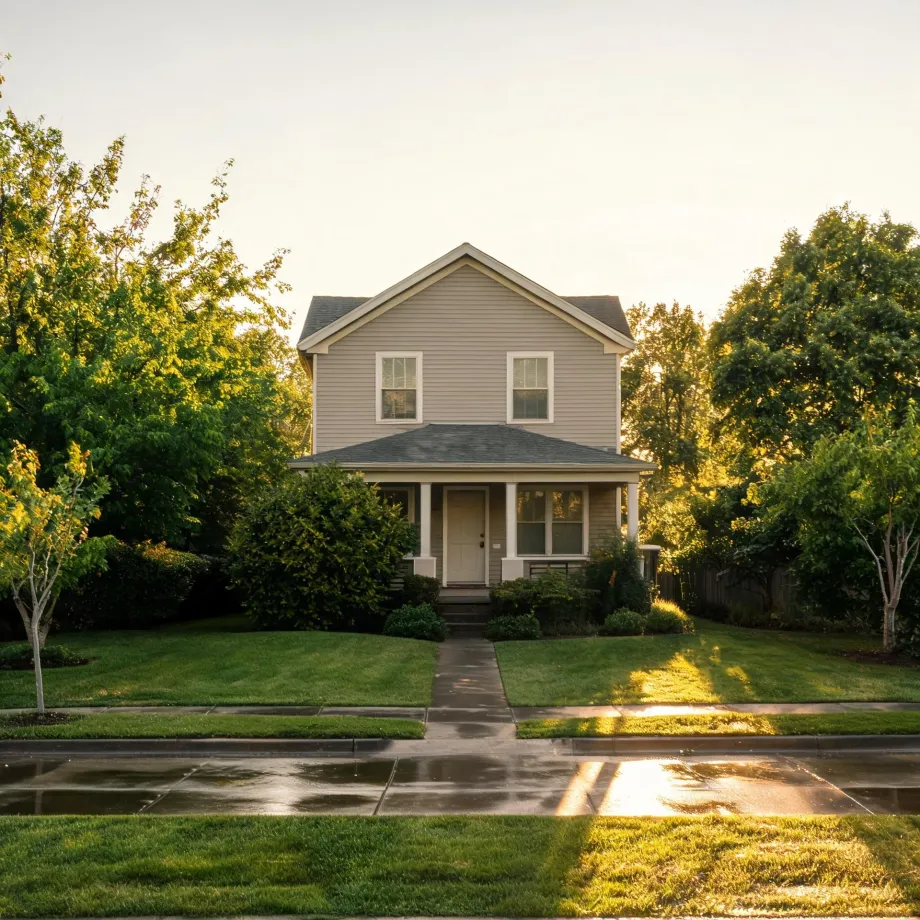
A compressor that sits dormant for most of the calendar year is not being rested. Seals dry, contactors corrode, and refrigerant leaks that would show up quickly under sustained load can go undetected through a long off-season. Homes in Cheyenne County, KS run cooling about three months a year, from June through August. A contractor called out on the first genuinely hot day of the year is often tracing a fault that started months earlier, not one the heat caused.
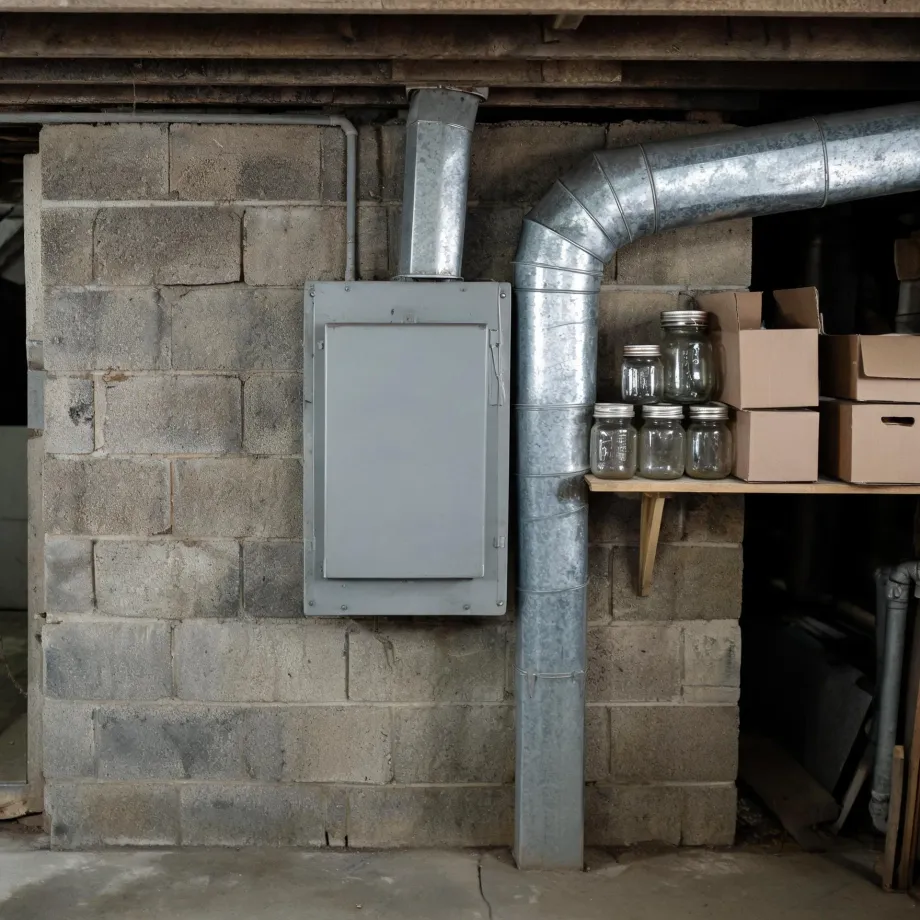
Ductwork in a house built for a different era of cooling tends to accumulate problems quietly: joints that have separated, insulation that has fallen away, sections that were never sized for the loads put through them later. Half the homes in Cheyenne County, Kansas were built in 1951 or earlier (2020-2024 ACS 5-year). A contractor opening a central AC system here often finds that the unit itself is straightforward to diagnose, while the duct runs feeding the house are where the real repair scope hides. Failed capacitors and refrigerant leaks get fixed and the system still underperforms, and the ductwork is usually what explains it.
The Parts of a Central AC a Contractor Checks First
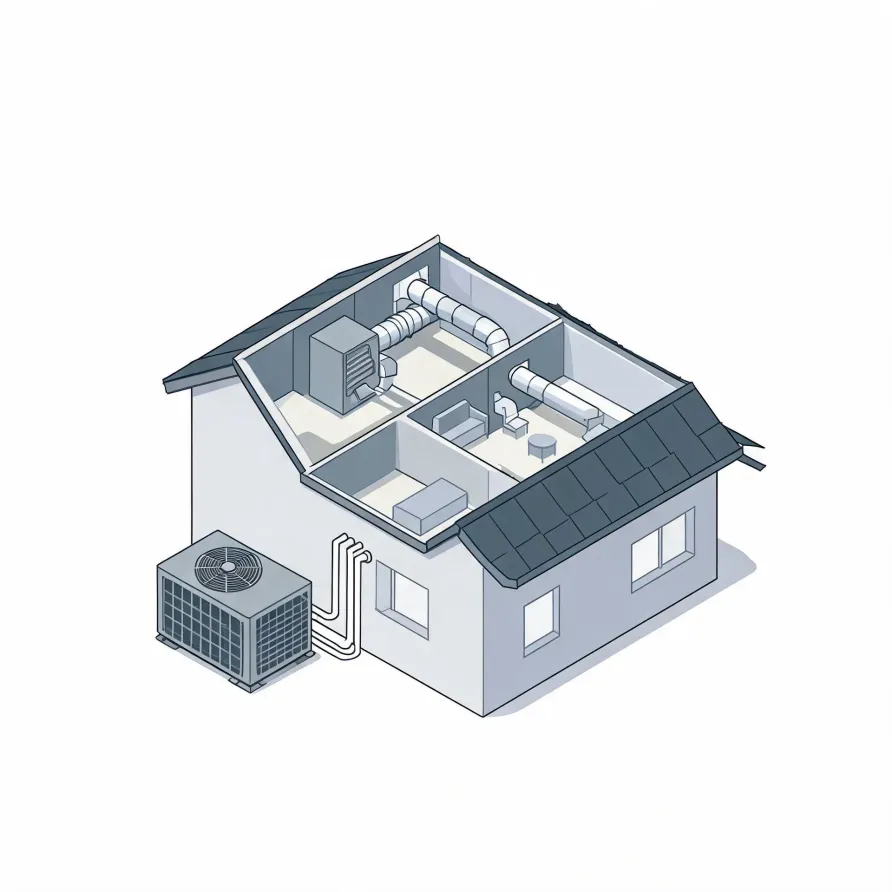
The outdoor condenser unit sits outside the house, usually on a concrete pad beside the foundation, and it is where heat gets shed to the outside air. The compressor lives inside that cabinet and is often the first thing a contractor tests when the system stops cooling. A failed capacitor or a seized compressor shows up here.
Inside the house, the air handler or furnace cabinet holds the evaporator coil, which is where the refrigerant does its work on the indoor air. The refrigerant lines connecting the two units and the expansion valve are checked when cooling is weak or uneven. The thermostat, mounted on a wall, is a small part that causes outsized problems when it reads temperature wrong or loses its connection to the system.
The drawing shows a typical layout, and a licensed contractor determines which components apply to your specific home and system.
Get matched in Cheyenne CountyCheyenne County, Kansas, by the numbers
306 severe weather events were recorded in Cheyenne County, Kansas between 2015 and 2024.
NOAA National Centers for Environmental Information, Storm Events Database, bulk CSV export, events 2015-01-01 through 2024-12-31.Half the homes in Cheyenne County, Kansas were built in 1951 or earlier (2020-2024 ACS 5-year).
U.S. Census Bureau, 2020-2024 American Community Survey 5-Year EstimatesCheyenne County, Kansas holds 1,455 housing units (2020-2024 ACS 5-year).
U.S. Census Bureau, 2020-2024 American Community Survey 5-Year EstimatesOwners occupy 77.9% of the occupied homes in Cheyenne County, Kansas (2020-2024 ACS 5-year).
U.S. Census Bureau, 2020-2024 American Community Survey 5-Year EstimatesRules & Standards Behind AC Repair in Cheyenne County, Kansas8 sourced rules and standards
What HVAC Repair Looks Like in Cheyenne County
Split-system central air conditioners rated below 45,000 Btu/h manufactured on or after January 1, 2023 must meet a federal minimum of 13.4 SEER2.
Split-system central air conditioners rated at or above 45,000 Btu/h manufactured on or after January 1, 2023 must meet a federal minimum of 13.4 SEER2.
Split-system central air conditioners manufactured between January 1, 2015 and December 31, 2022 had to meet 13 SEER, the metric that preceded SEER2.
Single-package central air conditioners manufactured on or after January 1, 2023 must meet a federal minimum of 13.4 SEER2.
Space-constrained central air conditioners manufactured on or after January 1, 2023 must meet a federal minimum of 11.7 SEER2.
Federal efficiency standards for split-system central air conditioners and heat pumps are set on each certified combination of outdoor unit and indoor coil rather than on the outdoor unit alone.
Residential and light commercial air conditioning and heat pump systems assembled in the field, including mini-splits and unitary systems, may not be installed on or after January 1, 2025 using a refrigerant with a global warming potential above 700.
A field-assembled system whose specified components were all manufactured or imported before January 1, 2025 carries no installation compliance date under the refrigerant restrictions and may still be installed.
Severe Weather Events in Cheyenne County
Weather puts real stress on cooling equipment, and Cheyenne County has its own pattern of it. How often and how hard that stress lands shapes what repairs come up and how soon they do.
306 severe weather events, 2015–2024. Source: NOAA National Centers for Environmental Information, Storm Events Database.